Aesthetic concern
Facial aging.
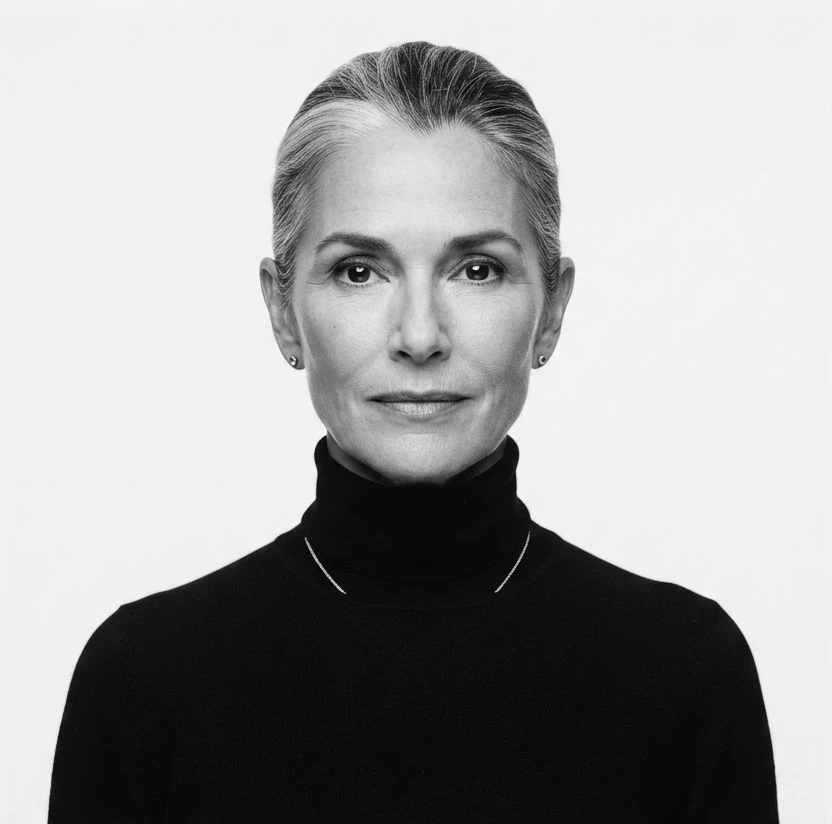
Jowling, deepening folds, and a softer jawline are structural changes, not skin problems. Understanding which layers have shifted is what separates a natural result from a tight one.
4 layers
Skin, fat, SMAS, ligaments
3D imaging
At every consultation
AAAASF
Accredited suite
10+ years
Typical durability
Overview
What is actually changing.
The face ages in layers. Bone loses projection, fat compartments deflate and slide, the retaining ligaments loosen, and the skin thins. Most of what people describe as looking tired is the combination of those shifts, not any one of them.
Treatments that address only the surface, whether injectables or skin tightening, can help in the early stages. Once the deeper layers have descended, the honest answer is usually a procedure that repositions them.
Contributing factors
Four causes that
act together.
Volume loss
Sun and skin quality
Ligament laxity
Bone remodeling
Signs by region
Where you
might notice it.
Midface
- Flattened cheeks
- Deepening nasolabial folds
- Tear-trough hollowing
Lower face
- Jowls at the jawline
- Marionette lines
- Loss of chin definition
Neck
- Vertical platysmal bands
- Loose skin beneath the chin
- Blunted neck angle
Skin
- Fine lines at rest
- Uneven pigmentation
- Crepey texture
Treatment options
Matched to the layer
that has moved.
Deep-plane facelift and neck lift
Repositions the underlying structure rather than pulling skin. The most complete correction for moderate to advanced changes.
Procedure detailFaceTite
Radiofrequency contraction tightens mild to moderate laxity of the lower face and neck through tiny incisions, with less downtime than a lift.
Procedure detailFat grafting
Restores lost volume with your own fat, often combined with a lift for a fuller, more rested result.
Procedure detailEyelid surgery
Addresses hooding and lower-lid bags when the eyes are the primary concern.
Procedure detailNon-surgical treatments
Neuromodulators, fillers, and resurfacing for early changes or maintenance between procedures.
Procedure detail
Questions
Asked at almost
every consultation.
When is the right time for a facelift?
When the changes you notice are structural, meaning jowling and neck laxity rather than skin quality alone. Many patients are in their late forties to sixties, but anatomy matters more than age.
Will I look pulled or different?
The technique is selected for your anatomy; a deep-plane approach is not appropriate for every face. The aim is to look like a rested version of yourself, not a different person. Discuss realistic expectations and risks with Dr. Kirwan.
How long do results last?
Aging continues, but a well-executed lift typically keeps you ahead of where you would otherwise be for ten years or more. Skin care and sun protection extend that.
Can non-surgical treatments do the same thing?
They can soften early changes and improve skin quality. They cannot reposition descended tissue; when that is the issue, injectables alone tend to add volume where it is not needed.
Next step
Find out which
layer has shifted.
A consultation with 3D imaging shows what is actually happening beneath the surface before any treatment is suggested.