Aesthetic concern
Tired or heavy eyes.
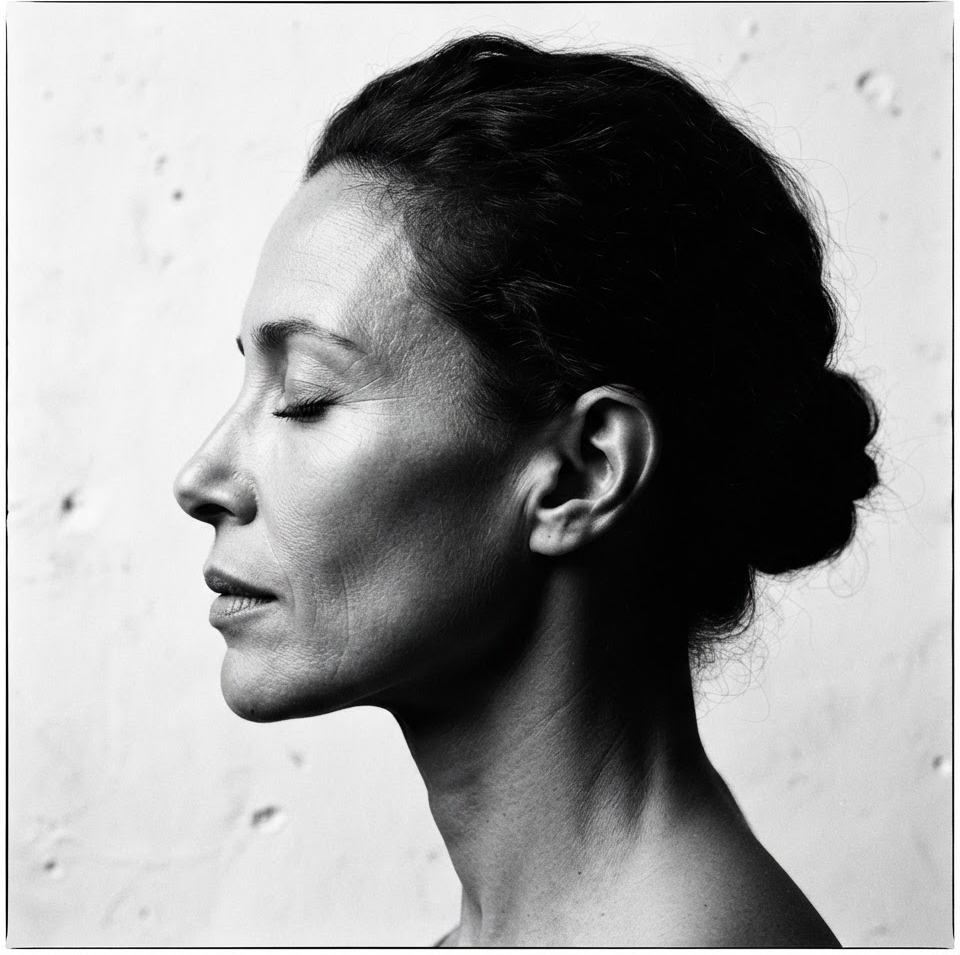
When people say you look tired even after a full night of sleep, the eyelids are usually the reason. Hooding, under-eye bags, and hollowing are structural changes that skincare cannot reach.
Upper & lower
Assessed together
3D imaging
At every consultation
AAAASF
Accredited surgical suite
Local + sedation
Typical anesthesia
Overview
Why the eyes look heavy.
The eyelids have some of the thinnest skin on the body, so they show age earlier than the rest of the face. Over time the upper-lid skin loses elasticity and begins to hood, while the fat pads that cushion the eye slip forward to create lower-lid bags.
Because the brow, eyelids, and cheeks all work together, Dr. Kirwan evaluates them as one unit. That distinction matters — a heavy upper lid caused by a descended brow is treated very differently from one caused by excess eyelid skin.
Contributing factors
What creates the heavy look.
Skin laxity
Fat protrusion
Hollowing
Brow descent
What you might notice
Where you might notice it.
Upper lid
- Hooding over the crease
- Skin touching the lashes
- Difficulty with eye makeup
Lower lid
- Puffy bags
- Fine crepey lines
- A tired look in photos
Tear trough
- Dark under-eye shadows
- Hollow, sunken appearance
- Uneven lid-cheek junction
Brow
- Heaviness at the outer brow
- Raising the brow to see clearly
- A permanently serious expression
Treatment options
Matched to what has changed.
Eyelid surgery
Blepharoplasty removes or repositions excess skin and fat from the upper lids, lower lids, or both for a rested, natural result.
Procedure detailBrow lift
When the heaviness starts above the lid, repositioning the brow restores an open, unforced expression.
Procedure detailFaceTite
Radiofrequency tightening can refine mild laxity around the eyes and midface with less downtime than surgery.
Procedure detailBotox
Neuromodulator softens crow’s feet and can subtly lift the brow between or after surgical steps.
Procedure detail
Questions
Asked at almost every consultation.
Will eyelid surgery change the shape of my eyes?
The goal is to refresh, not to alter your identity. A conservative approach removes only what is needed so the eyes still look like yours, just less tired.
Is the scar noticeable?
Upper-lid incisions sit in the natural crease and lower-lid work is often done from inside the lid, leaving no visible external scar. Scars that do exist fade to a fine line.
Can filler fix under-eye bags?
Filler can camouflage a hollow tear trough in some patients, but it cannot remove true fat bags. When protrusion is the issue, surgery gives a cleaner, longer-lasting result.
Do I need my brow and lids done together?
Not always. Dr. Kirwan will tell you honestly whether the heaviness comes from the lid, the brow, or both, so you only treat what is actually contributing.
Next step
See what is actually heavy.
A consultation with 3D imaging separates brow, lid, and volume changes so the plan addresses the real cause, not the symptom.