Key Highlights
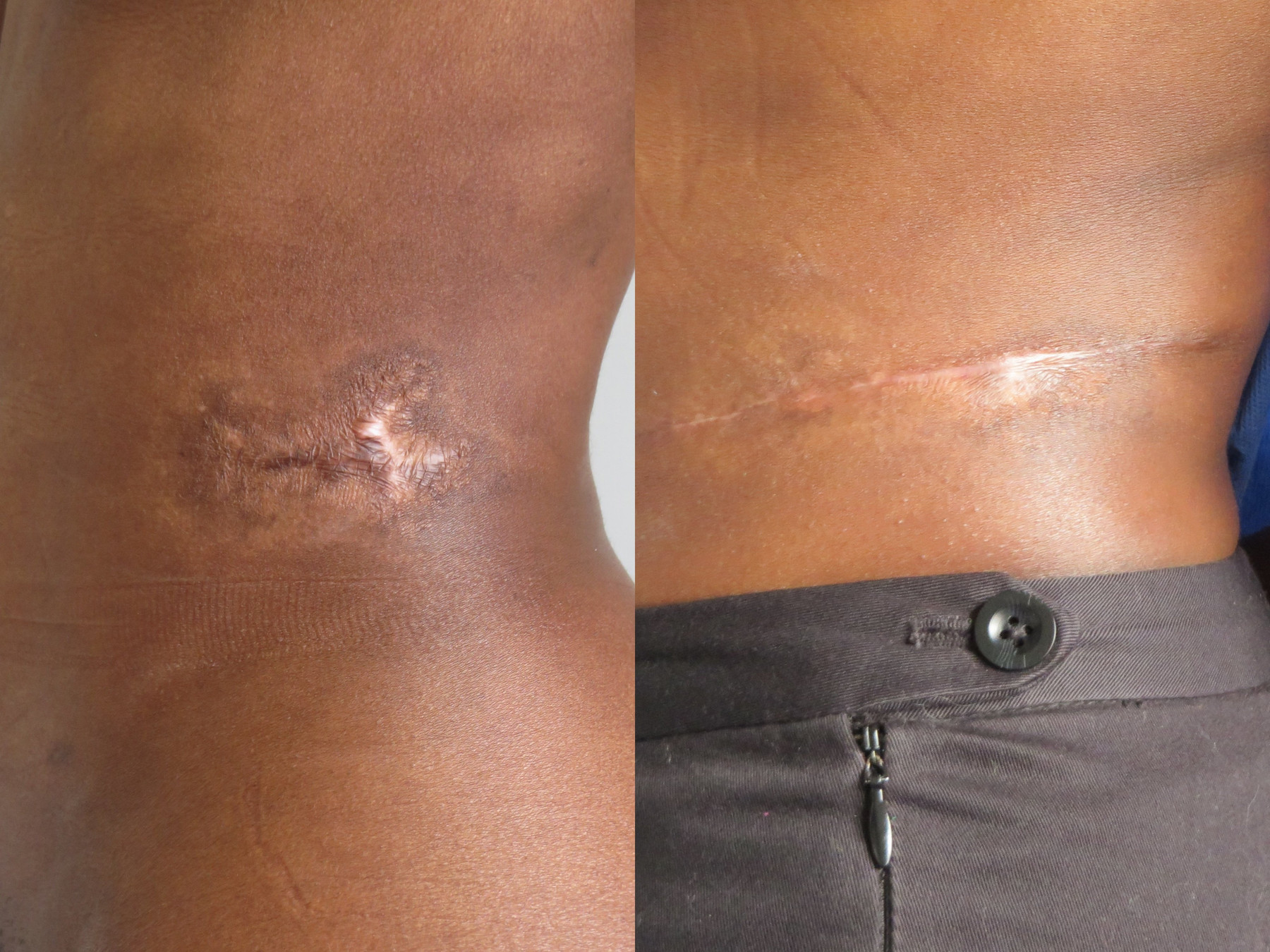
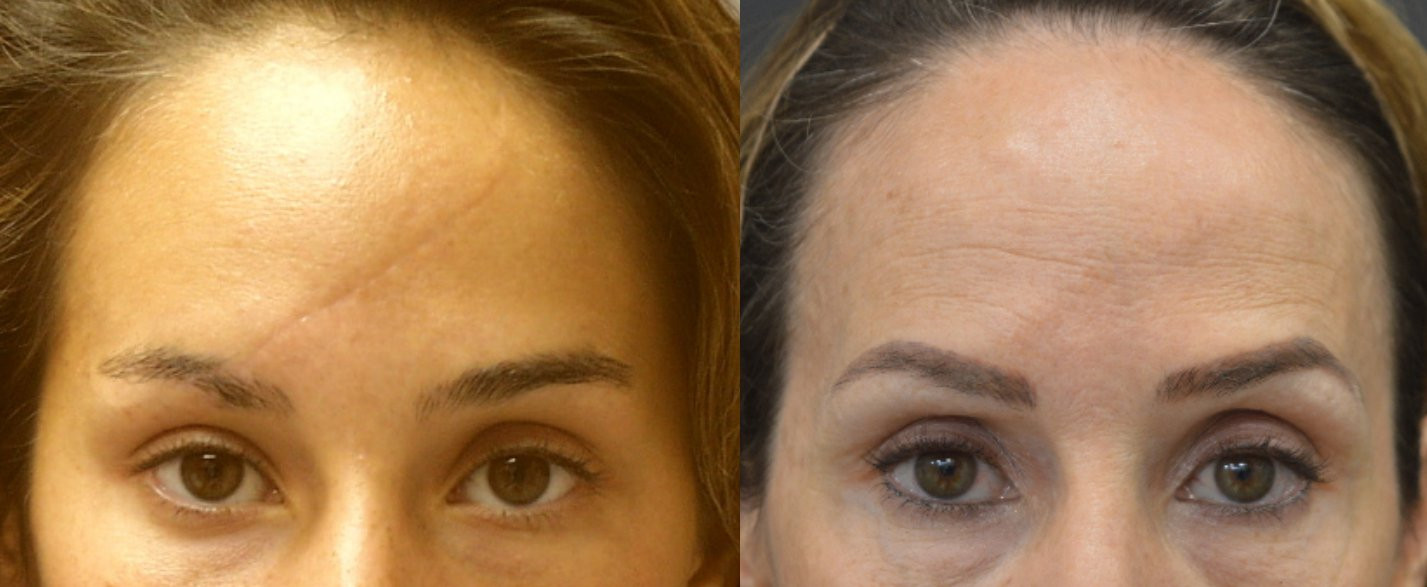
- Scars may be wide, thick, raised, depressed or pigmented.
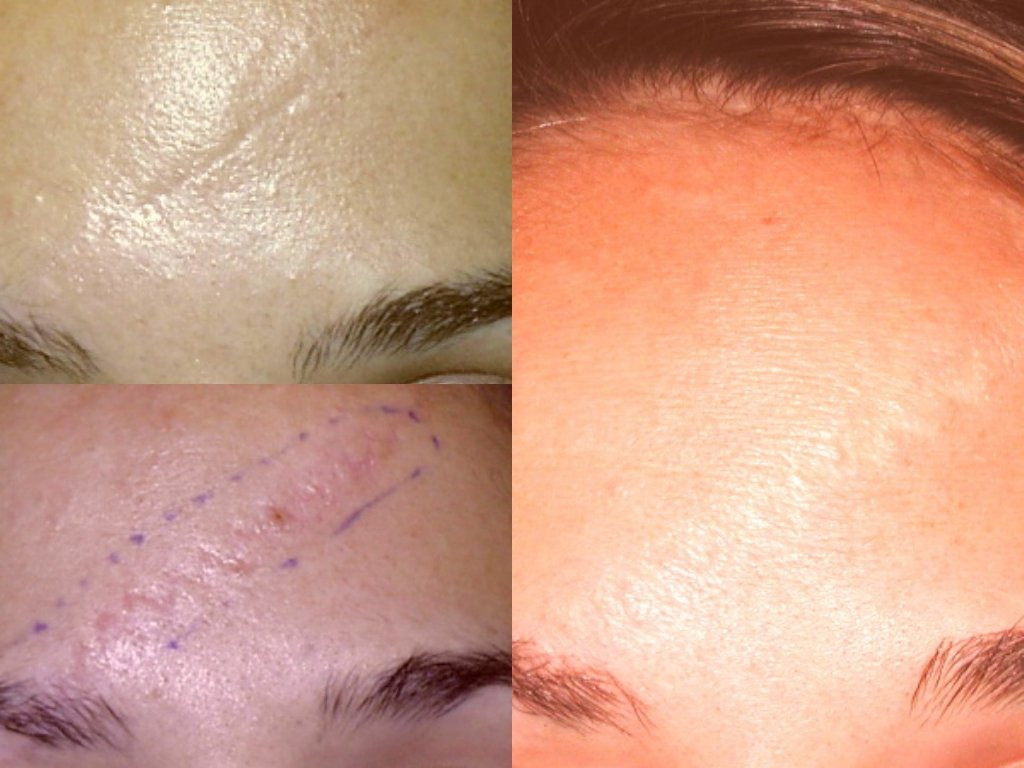
- Scars are more noticeable when they run at an unnatural angle to the skin crease lines. A depressed or raised scar also casts a shadow, which makes it even more visible.
- Scars can be painful reminders of a childhood burn, a fall off a bike, botched surgery, a car accident or an abusive spouse.
- Scars can affect how we feel in social situations. Facial scars may be more visible in settings such as the gym, when your hair is tied back, and may require camouflage make-up or wearing your hair down to cover them.
- Scars on the body can affect how we dress, leading people to avoid two-piece swimsuits, crop tops, shorts and sleeveless blouses.
- Scars can contract and distort a facial feature, such as the mouth or an eyelid.
- Scar revision can make scars less visible and can also improve function when a scar restricts joint motion.
When to Consider Surgery
Consider scar revision if a scar is noticeable, limits your clothing choices or restricts your mobility.
Information for Kirwan Plastic Surgery Patients
The best decisions are informed decisions. Dr. Kirwan can help you learn more about scar revision, discuss other treatment options and provide personalized answers based on your individual needs. You can schedule a consultation with Dr. Kirwan in Norwalk.
Preparing for the Procedure
After choosing Dr. Kirwan, the next step is a consultation. Be prepared to discuss your goals and expectations, your medical history, any previous procedures and any history of keloid scarring, which could affect the outcome of your procedure.
During your consultation, Dr. Kirwan will examine you and take photographs of the scar to review with you. These help you understand the planned surgical technique, the resulting scar and the possible benefits of surgery. Dr. Kirwan will also show you examples of his own before-and-after results.
What Happens During Surgery
Surgery is normally performed under local anesthesia. Dr. Kirwan will perform the surgery as discussed in your consultation.
Procedure Options
Dr. Kirwan may use one of several techniques, such as:
Scar Excision
- Ideal for patients who have no other associated problems. Commonly performed for a wide scar that can be narrowed, leaving a new scar that runs in a favorable direction.
- Deep stitches support the wound until the scar matures.
- Length of surgery depends on the size of the scar.
- Outcome: ideally, removal of the unsightly scar, leaving a thin scar that fades over time.
Z-Plasty or W-Plasty
- Ideal for patients who would benefit from realigning the scar so that the new scar falls into the natural skin creases.
- Length of surgery varies.
- Outcome: ideally, removal of the unsightly scar, leaving a thin scar that fades over time.
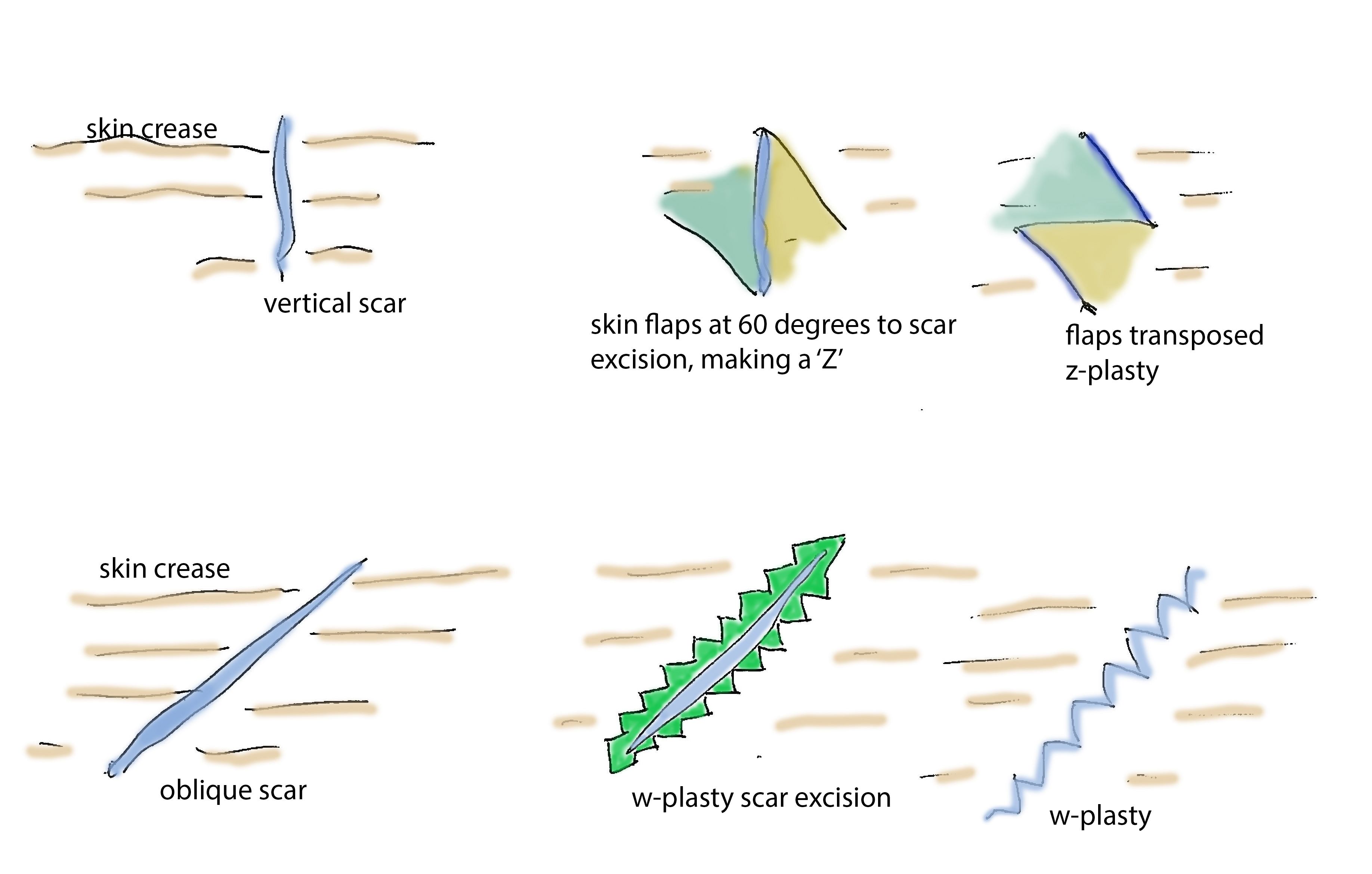
Original diagram labels, top row: skin crease; vertical scar; skin flaps at 60 degrees to scar excision, making a ‘Z’; flaps transposed — Z-plasty.
Bottom row: skin crease; oblique scar; W-plasty scar excision; W-plasty.
Results and Recovery
It takes time to fully recover and see your final result. Most patients can return to work immediately or within 24 hours, and can resume other activities, such as working out, in about 3 to 4 days, depending on the specific surgery and activity. Avoid contact sports for at least 2 to 6 weeks. If the incision is injured, it may open and require further surgery.
After surgery, expect a small amount of bleeding for the first 24 hours, along with some swelling and bruising. Ice packs during the first 48 hours help reduce swelling and bruising. Be sure to follow the instructions provided by Dr. Kirwan and his staff before and after your surgery to ensure a smooth procedure and recovery.
All scars are red soon after surgery and usually fade to a thin white line over 6 to 18 months. Protect the scar with sunblock while it heals so that it does not become pigmented. Dr. Kirwan will recommend a sunblock and a scar cream to promote healing and help prevent a thickened, raised keloid scar.
Request a consultation