
15
Sep
Lip Lift: The little procedure that can make a big difference.
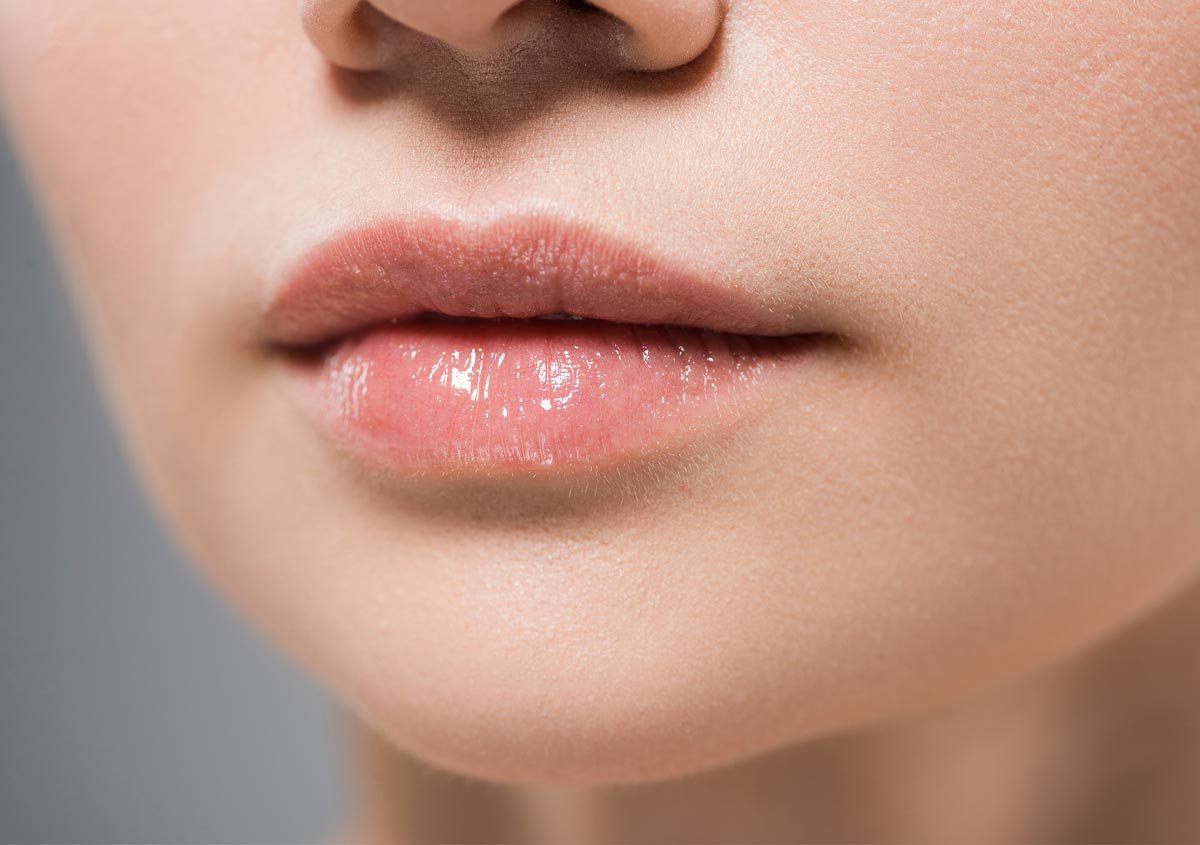
A lip lift is a small surgery performed under local anesthesia that can make a noticeably big difference to the area around the mouth. It's one of the more underrated procedures in facial rejuvenation - often overshadowed by fillers and lip flips, even though it addresses a different problem entirely and produces a different kind of result.
What a Lip Lift Actually Does
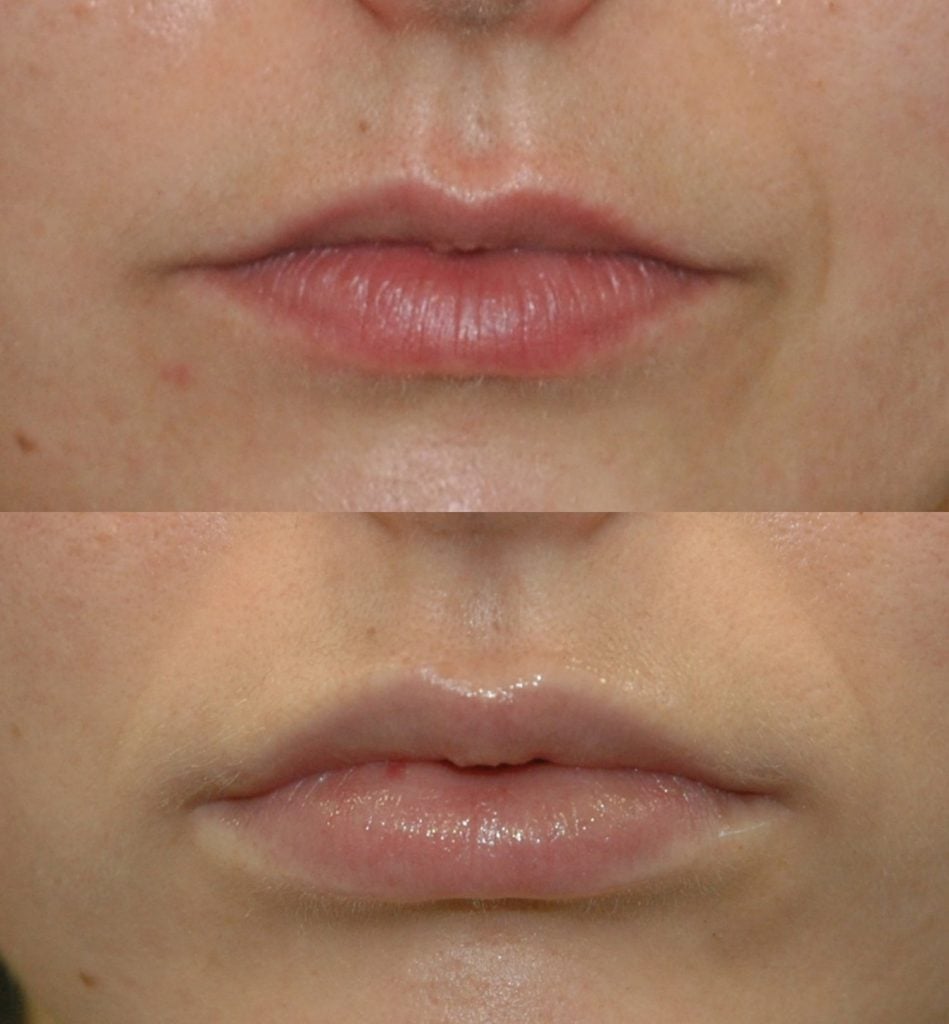
A lip lift shortens the distance between the base of the nose and the top of the upper lip - the area known as the philtrum. As we age, this distance tends to lengthen, and the upper lip itself becomes thinner and loses projection. The result is a longer-looking upper lip, less visible pink lip (vermilion) at rest, and a smile that shows less of the upper teeth than it used to. A lip lift directly shortens that distance, restoring a more youthful ratio between the nose, lip, and mouth.
Who Is a Good Candidate, and at What Age?
There's no set age requirement for this procedure. Lip lifts can be performed at any age after 18, but they're most commonly done as other signs of facial aging become apparent, typically in the late 40s and older, since that's when upper lip lengthening and thinning tend to become more visually noticeable. That said, some younger patients pursue a lip lift specifically because they were born with a naturally longer philtrum, unrelated to aging.
Not every patient with a long-looking upper lip is necessarily a candidate for this specific procedure, however. In some cases, what looks like a long upper lip is actually a chin or jaw proportion issue creating that impression, or a lack of lip volume that a lip lift alone won't fully address. This is exactly why an in-person evaluation matters more than trying to self-diagnose from a mirror or a photo - the surgeon needs to assess the actual measurements and proportions at play, not just the general visual impression.
Surgical Technique
Surgery involves excising a small strip of skin at the base of the nose, positioned so the resulting scar sits directly in the natural shadow under the nose and is barely visible once healed. Healing is rapid: within 14 to 21 days, the scar is easily hidden by the natural crease it sits in, and most patients find it essentially undetectable to others by that point.
Why This Procedure Matters for Facial Balance
Failing to recognize and address a long upper lip can actually limit the benefits of other facial procedures. If you're considering a facelift or a peri-oral chemical peel but have a long upper lip, that lip length can undercut the overall rejuvenating effect of the other work, since the mouth and smile are such a central part of how a face reads as youthful or aged. A long upper lip specifically affects the smile itself, preventing the ideal amount of upper-tooth show when smiling, which can read as an aged appearance even when the rest of the face looks refreshed. This is why lip length is worth evaluating as part of a broader facial rejuvenation plan, not just in isolation.
Surgical Time and Recovery
Surgery takes about one hour. The recovery period is roughly a week, with stitches removed between days 3 and 7. As with most facial procedures, it can take 6 to 12 months to see the fully settled final result, since some residual swelling resolves gradually over that window.
Lip Lift vs. Lip Flip vs. Lip Filler: What's the Difference?
These three terms get confused constantly, partly because they all affect the same general area, but they work in completely different ways and solve different problems. Understanding the difference is genuinely useful before deciding which one (if any) fits your goals.
| Surgical Lip Lift | Lip Flip | Lip Filler | |
|---|---|---|---|
| What it does | Surgically shortens the distance between the nose and upper lip | Relaxes the muscle around the mouth with Botox, causing the upper lip to roll slightly outward and appear fuller | Adds volume directly into the lip tissue with an injectable gel (e.g., Juvederm) |
| Addresses | A long philtrum / reduced upper-tooth show when smiling | Thin-looking lips due to muscle position, not actual tissue volume | Thin lips due to lost volume, or a desire for more lip volume generally |
| How long results last | Years to permanent, since tissue is surgically removed | About 2-3 months, as the Botox wears off | About 6-18 months, depending on the specific filler used |
| Downtime | About 1 week, stitches removed 3-7 days | Minimal - most patients return to normal activity same day | Minimal - some swelling and bruising for a few days |
| Type of procedure | Surgical, local anesthesia | Non-surgical injectable | Non-surgical injectable |
It's also common to combine these approaches rather than choosing only one - for example, a surgical lip lift to correct the underlying proportions, paired with a small amount of filler to add volume once the ideal length is established.
Preparing for a Lip Lift
Because this is a local-anesthesia office procedure rather than a hospital surgery, preparation is more straightforward than for a facelift or larger procedure, but a few points are still worth planning around ahead of your appointment.
Arrange time off, not just downtime. While the recovery is typically about a week, many patients prefer to schedule a few days of lighter social activity beyond that, since some residual swelling in the upper lip area can be noticeable even after stitches come out, particularly in the first two to three weeks.
Avoid blood thinners and certain supplements beforehand. As with most facial procedures, medications and supplements that thin the blood (including some common over-the-counter options and fish oil) can increase bruising and swelling if taken in the days leading up to surgery. Your surgeon will give you a specific list to review.
Plan your first week around soft foods and gentle oral care. Because the incision sits at the base of the nose near the mouth, eating and speaking in the first few days is generally more comfortable with softer foods, and gentle handling around the mouth helps protect the healing incision.
Bring photos if you have a specific look in mind. Many patients find it helpful to bring reference photos to their consultation, whether that's an old photo of their own lips at a younger age or an example of a proportion they're drawn to, since this helps the surgeon understand your specific goals beyond a general description.
Ask directly about combining procedures if you're considering more than one. As covered above, lip lift is frequently combined with fat injection or a chin implant, and combining procedures in a single visit can mean a more efficient single recovery period rather than two separate ones.
Cost Considerations
Cost for a lip lift is generally higher than a single round of Botox for a lip flip, but the comparison isn't quite as simple as it looks at first glance. A lip flip needs to be repeated every two to three months to maintain the effect, meaning its ongoing annual cost can actually exceed a one-time surgical lip lift over just a year or two, even though the individual treatment price is lower. Lip filler sits in between: a single syringe costs less than lip lift surgery, but needs repeating every six to eighteen months to maintain results.
For patients who know they want a long-term or permanent change to their lip proportions, this is exactly the kind of total-cost-over-time comparison worth walking through at a consultation, rather than comparing only the sticker price of each option in isolation. If you're also considering combining the lip lift with fat injection or a chin implant, ask for a combined estimate, since bundling procedures into a single visit typically reduces total facility costs compared to separate appointments.
Related Procedures Often Combined with a Lip Lift
A lip lift can often be combined with fat injections to the upper and lower lips and a chin implant to improve the overall aesthetic proportions around the mouth. Lip lifts are also frequently performed at the same time as a facelift, since both address different aspects of lower-face aging and pair well within a single recovery period.
Ready to Discuss Your Options?
Frequently Asked Questions
What's the difference between a lip lift and a lip flip?
A lip lift is a surgical procedure that shortens the space between the nose and upper lip, with results lasting years. A lip flip is a non-surgical Botox injection that relaxes the lip muscle so the lip rolls slightly outward, with results lasting only about 2-3 months.
Is a lip lift permanent?
Yes, effectively - since the procedure removes tissue rather than adding a temporary substance, results are long-lasting, typically for years, though the face continues to age naturally afterward.
How long is recovery after a lip lift?
About one week, with stitches removed between days 3 and 7. It can take 6 to 12 months to see the fully settled final result as any residual swelling resolves.
Can a lip lift be combined with other procedures?
Yes - it's commonly combined with fat injections to the lips, a chin implant, or performed at the same time as a facelift, since all address different aspects of facial aging that work well together.
Is the scar from a lip lift visible?
The incision is placed at the base of the nose, positioned to sit within the natural shadow there. Healing is rapid, and by 14 to 21 days the scar is typically well-hidden and difficult for others to notice.
Does a lip lift hurt?
Discomfort is generally mild and manageable, similar to other small in-office procedures performed under local anesthesia. Most patients describe the area as tender rather than painful in the first few days, improving steadily as swelling resolves.
At what age should I consider a lip lift?
There's no required age - it can be done any time after 18. Most patients pursue it in their late 40s or later, when upper lip lengthening becomes more visually apparent, though some younger patients with a naturally long philtrum choose it earlier.
If you're considering a lip lift, or want to understand whether a lip lift, lip flip, or filler is the better fit for your specific goals, the most useful next step is a consultation. Schedule a consultation or call our office to get started.
This article is for general informational purposes and does not constitute medical advice. Schedule a consultation with Dr. Kirwan to discuss which approach is right for your goals.
Call Our Office For More Information
Share this Article

Dr. Laurence Kirwan
Dr. Laurence Kirwan, MD, FRCS, FACS, is an internationally renowned, board-certified plastic surgeon with over 30 years of experience. He trained at Manchester University and completed his Plastic Surgery residency at the University of Missouri. A Fellow of the Royal College of Surgeons and American College of Surgeons, he is a leader in aesthetic surgery, specializing in face, breast, and body procedures. Dr. Kirwan has authored multiple scientific papers and books and served as an instructor in prestigious programs. Recognized by Tatler and Russian Vogue, he practices in Connecticut, where he continues to offer personalized, top-tier care to his patients.