
17
Jan
Preparing for Facelift Surgery: Steps to Optimize Recovery
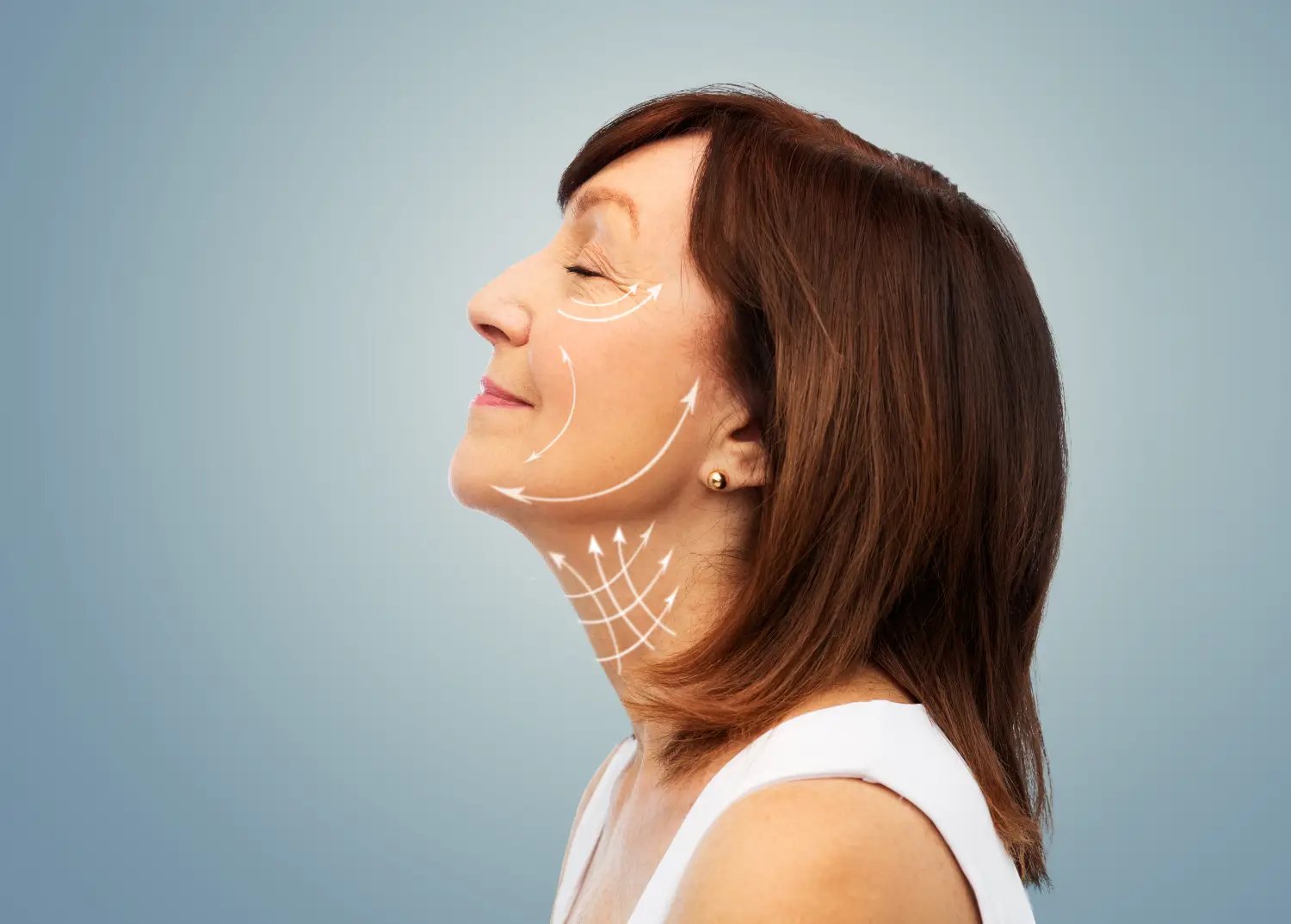
Aging rarely announces itself all at once. It reveals itself gradually—through softened jawlines, deeper folds, a neck that no longer reflects the vitality you feel inside. Many patients describe the experience with striking clarity: “I feel vibrant, but I don’t recognize the face in the mirror.” Facelift surgery exists precisely for that moment.
Modern facelift surgery is not about chasing youth; it is about restoring alignment between how you feel and how you appear. With advanced techniques such as the SMAS facelift and deep plane facelift, facial rejuvenation surgery has evolved into a refined art form capable of delivering natural, elegant outcomes.
What many patients overlook, however, is that the quality of recovery profoundly influences the quality of results. Preparation is not secondary—it is foundational. The way you approach the weeks before surgery can shape swelling, bruising, scar healing, and overall comfort.
If you are considering a mini facelift procedure, a full facelift, or a combined neck lift and facelift, keep reading. The following guidelines are designed to elevate your recovery and protect your investment in yourself.
The Subtle Signs of Aging
Facial aging is complex and layered. Recognizing the early and progressive signs helps patients determine whether facelift surgery may be appropriate.
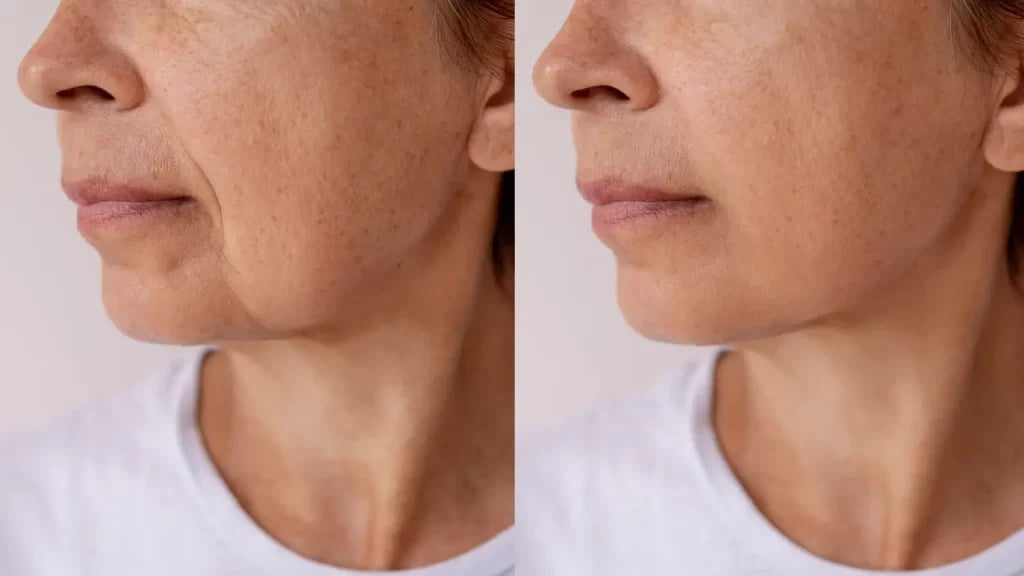
- Jawline Softening. A once-defined jawline can blur as skin and deeper tissues descend. This creates jowling that casts subtle shadows along the lower face.
- Neck Laxity. Loose skin and vertical banding in the neck often develop gradually. Some patients notice fullness beneath the chin that persists despite weight stability.
- Deepening Nasolabial Folds. Lines running from the nose to the corners of the mouth become more pronounced over time. Volume loss and tissue descent contribute to their prominence.
- Marionette Lines. Downward lines at the corners of the mouth can create a tired or stern expression. Even a pleasant mood may be misinterpreted visually.
- Midface Descent. Cheeks lose youthful projection as fat pads shift downward. This alters facial balance and may accentuate under-eye hollows.
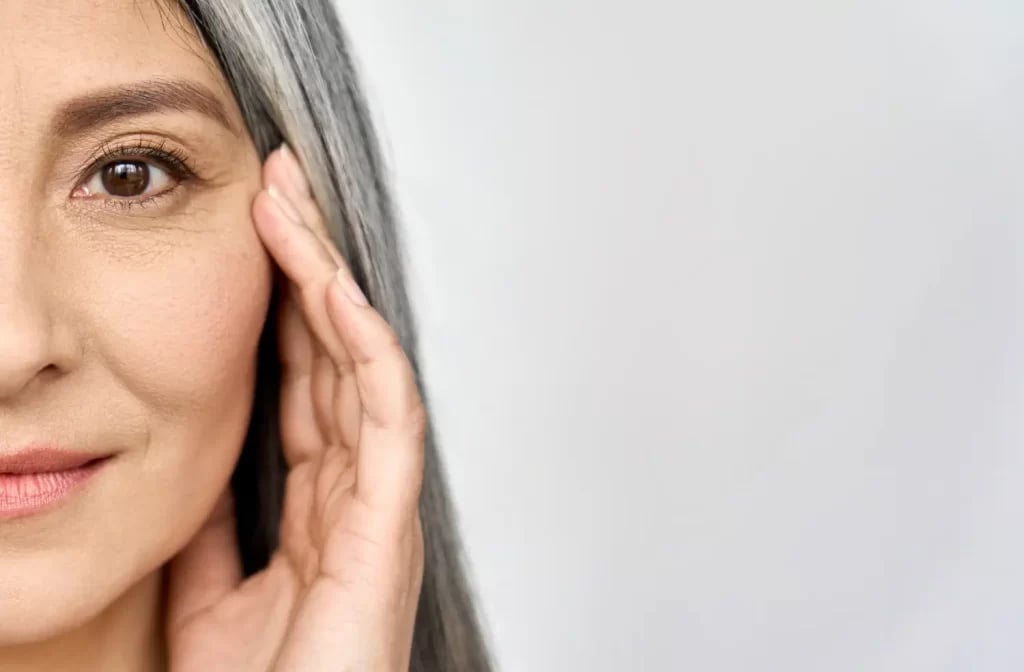
- Skin Texture Changes. Loss of elasticity and collagen leads to fine wrinkling and crepiness. While injectables can help temporarily, structural laxity remains unaddressed.
- Visual Age Disparity. Patients often mention feeling younger than they appear in photographs, especially during video calls or social gatherings.
We offer facelift surgery designed to address these layered changes with precision and artistry.
Understanding Facelift Surgery
Facelift surgery, also known as facial rejuvenation surgery, addresses sagging skin and underlying tissue laxity of the lower face and neck. It repositions deeper structures rather than simply tightening the surface.
Techniques vary based on anatomy and goals. A mini facelift procedure may focus on early jowling with shorter incisions and quicker recovery. A full facelift addresses more advanced aging across the cheeks, jawline, and neck.
The SMAS facelift targets the superficial musculoaponeurotic system, lifting and securing this deeper layer for lasting support. The deep plane facelift releases and repositions facial tissues at a more structural level, often producing comprehensive and natural-looking rejuvenation.
Frequently, a neck lift and facelift are combined to restore harmony between the lower face and neck. Facelift surgery does not change identity. It restores structural support, creating a refreshed version of yourself rather than a different person.
Timing Is Everything
Preparation begins long before the operating room. Patients often wait until aging feels dramatic before considering surgery. However, the most natural results frequently occur between ages 45 and 55, when skin retains more elasticity.
Waiting until 65 and expecting to look 20 years younger is unrealistic. While beautiful results can be achieved at older ages, earlier intervention often produces subtler refinement. Understanding timing allows patients to pursue surgery strategically rather than reactively.
Preparing for Excellence
Thoughtful preparation elevates facelift surgery from a procedure to a carefully curated experience. Recovery is not something that simply “happens” after surgery. It is shaped by what you do in the weeks leading up to it. Each decision before your procedure influences swelling, bruising, incision healing, and overall comfort.
When patients approach facial rejuvenation surgery with intention and discipline, the body responds in kind. Below is a more comprehensive look at how to prepare strategically for optimal recovery.
1. Choose the Right Procedure
Selecting the appropriate technique is the cornerstone of successful facelift surgery. During your consultation, your surgeon will assess skin quality, facial volume distribution, bone structure, and the degree of tissue descent.
A mini facelift procedure may be ideal for patients with early jowling and mild laxity. It typically involves shorter incisions and a more focused lift, resulting in a somewhat quicker recovery timeline.
A full facelift addresses more advanced sagging in the cheeks, jawline, and neck. This approach often provides longer-lasting correction for patients experiencing deeper structural aging.
The SMAS facelift targets the superficial musculoaponeurotic system, repositioning this deeper layer to create natural lift without surface tightness. Meanwhile, the deep plane facelift releases and repositions facial tissues at a more foundational level, allowing for comprehensive rejuvenation that avoids a pulled appearance.
Understanding these distinctions allows patients to align expectations with anatomy. Choosing the right approach reduces the likelihood of under-correction or overly aggressive lifting—both of which can compromise satisfaction and recovery.
2. Stop Smoking
Nicotine constricts blood vessels, reducing oxygen supply to healing tissues. In facelift surgery, where skin and underlying structures are repositioned, proper blood flow is essential.
Patients are generally advised to stop smoking at least four weeks before and after surgery. This includes vaping and nicotine replacement products.
The benefit is twofold: improved wound healing and reduced risk of complications such as delayed incision recovery or skin compromise. Healthy circulation directly supports tissue resilience and smoother recovery.
3. Review Medications and Supplements
Bleeding risk is a critical factor in facial rejuvenation surgery. Even seemingly harmless supplements can influence clotting.
Aspirin, ibuprofen, certain anti-inflammatory medications, vitamin E, fish oil, and herbal supplements such as ginkgo biloba or garlic extract may need to be discontinued in advance. Always follow physician guidance before stopping prescribed medications.
This review is not administrative—it is protective. Minimizing intraoperative and post-operative bleeding reduces bruising and swelling, leading to a more refined early recovery phase.
4. Optimize Nutrition
Healing is a metabolic process. The body requires building blocks to repair tissue, generate collagen, and reduce inflammation. Protein intake is particularly important. Lean meats, fish, legumes, and plant-based proteins support cellular repair. Vitamin C contributes to collagen synthesis, while zinc plays a role in immune response.
Hydration is equally essential. Well-hydrated tissues respond more effectively to surgical stress and recover more predictably. Patients who enter facelift surgery in strong nutritional condition often experience less fatigue and more stable healing patterns.
5. Stabilize Your Weight
Significant weight fluctuations before or after a full facelift or neck lift and facelift can influence long-term results. If weight loss is planned, it is advisable to complete it prior to surgery and maintain stability. Facial fat distribution changes with weight shifts, and stable contours support surgical precision.
Consistency allows the surgeon to tailor the procedure to your enduring facial structure rather than a temporary phase.
6. Strengthen Skin Health
Healthy skin heals more gracefully. Weeks before surgery, patients may benefit from gentle medical-grade skincare regimens recommended by their surgeon. Avoid aggressive treatments such as chemical peels, laser resurfacing, or microneedling close to your surgery date unless specifically advised. Calm, balanced skin supports optimal incision healing.
Sun protection becomes especially important in the weeks leading up to surgery. Sunburned or irritated skin can delay surgical timing.
7. Arrange Meaningful Support
The first 24 to 48 hours after facelift surgery are when assistance matters most. You will need transportation home and help with basic tasks. Having a trusted individual nearby offers both practical and emotional reassurance.
Recovery can feel vulnerable during the initial days, and support reduces unnecessary movement and stress. This arrangement is not simply logistical. It contributes directly to comfort and calm during early healing.
The Final Reflection
Facelift surgery is not about erasing years. It is about restoring vitality and confidence with elegance and restraint. Preparation is the quiet partner to surgical artistry. From smoking cessation to nutritional optimization and emotional readiness, each step contributes to smoother healing and refined results.
At Kirwan Plastic Surgery in Norwalk, CT, patients are guided personally by Dr. Kirwan through every phase—from consultation to recovery. His philosophy reflects precision, timing, and respect for individuality.
Call us today to schedule your appointment!
Call Our Office For More Information
Share this Article
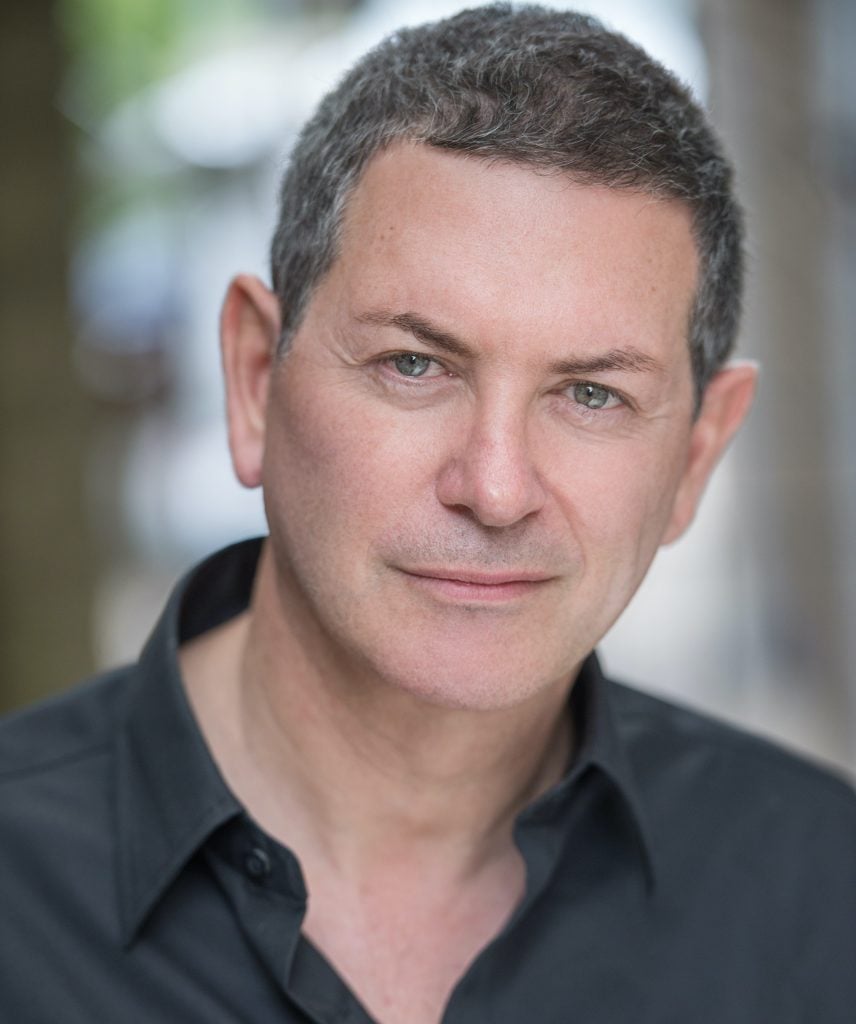
Dr. Laurence Kirwan
Dr. Laurence Kirwan, MD, FRCS, FACS, is an internationally renowned, board-certified plastic surgeon with over 30 years of experience. He trained at Manchester University and completed his Plastic Surgery residency at the University of Missouri. A Fellow of the Royal College of Surgeons and American College of Surgeons, he is a leader in aesthetic surgery, specializing in face, breast, and body procedures. Dr. Kirwan has authored multiple scientific papers and books and served as an instructor in prestigious programs. Recognized by Tatler and Russian Vogue, he practices in Connecticut, where he continues to offer personalized, top-tier care to his patients.