
03
Apr
FaceTite vs. Facelift: Comparing Minimally Invasive and Surgical Options for Facial Rejuvenation
Skin laxity often develops gradually, showing first as subtle softening along the jawline, loosening in the neck area, and a loss of youthful contour in the cheeks. Over time, collagen decline, reduced skin elasticity, and structural tissue changes may contribute to deeper folds and less defined facial proportions.
Today, advancements in facial contouring procedures allow patients to choose between a traditional surgical facelift and minimally invasive facial rejuvenation options such as the FaceTite procedure, each offering unique benefits depending on aesthetic goals and lifestyle preferences.
Facial rejuvenation treatments have evolved to provide more personalized solutions that align with varying levels of skin laxity and desired recovery time. Some patients prefer the comprehensive structural repositioning achieved through a surgical facelift, while others are drawn to non-surgical facelift alternatives that support skin tightening treatments with minimal downtime.
Understanding the differences between radiofrequency-assisted lipolysis technology and surgical techniques allows patients to make confident decisions about jawline tightening and overall facial contour refinement.
Continue reading to explore how each treatment works and what benefits it may offer for long-term facial rejuvenation.
Why Skin Begins to Sag
Understanding the underlying causes of sagging skin helps patients make informed decisions about appropriate facial contouring procedures.
- Natural collagen decline. Collagen production decreases gradually with age, contributing to reduced skin firmness and elasticity. As collagen fibers weaken, the skin becomes less able to maintain lifted contours. We offer the FaceTite procedure and surgical facelift options designed to address skin laxity.
- Loss of elastin fibers. Elastin provides skin with flexibility and resilience. Over time, elastin fibers degrade, allowing skin to stretch without returning to its original structure. Skin tightening treatments often target this structural change.
- Facial fat redistribution. Fat pads beneath the skin may shift downward due to gravity and aging. This redistribution may contribute to hollowed cheeks and a heavier lower face appearance. Facial contouring procedures help restore balanced proportions.
- Muscle and tissue changes. Facial muscles gradually lose tone, affecting structural support beneath the skin. Reduced muscle strength may influence sagging along the jawline and neck. Jawline tightening treatments support improved contour definition.
- Sun exposure effects. Ultraviolet exposure accelerates collagen breakdown and contributes to uneven skin texture. Long-term sun exposure may affect skin resilience. Minimally invasive facial rejuvenation options help address visible damage.
- Lifestyle factors. Stress, environmental pollutants, and inconsistent skincare habits may contribute to accelerated aging. Lifestyle influences often affect hydration levels and skin repair processes. Facial rejuvenation treatments support structural renewal.
We offer FaceTite procedure and surgical facelift solutions designed to support comprehensive facial rejuvenation.
What Is FaceTite?
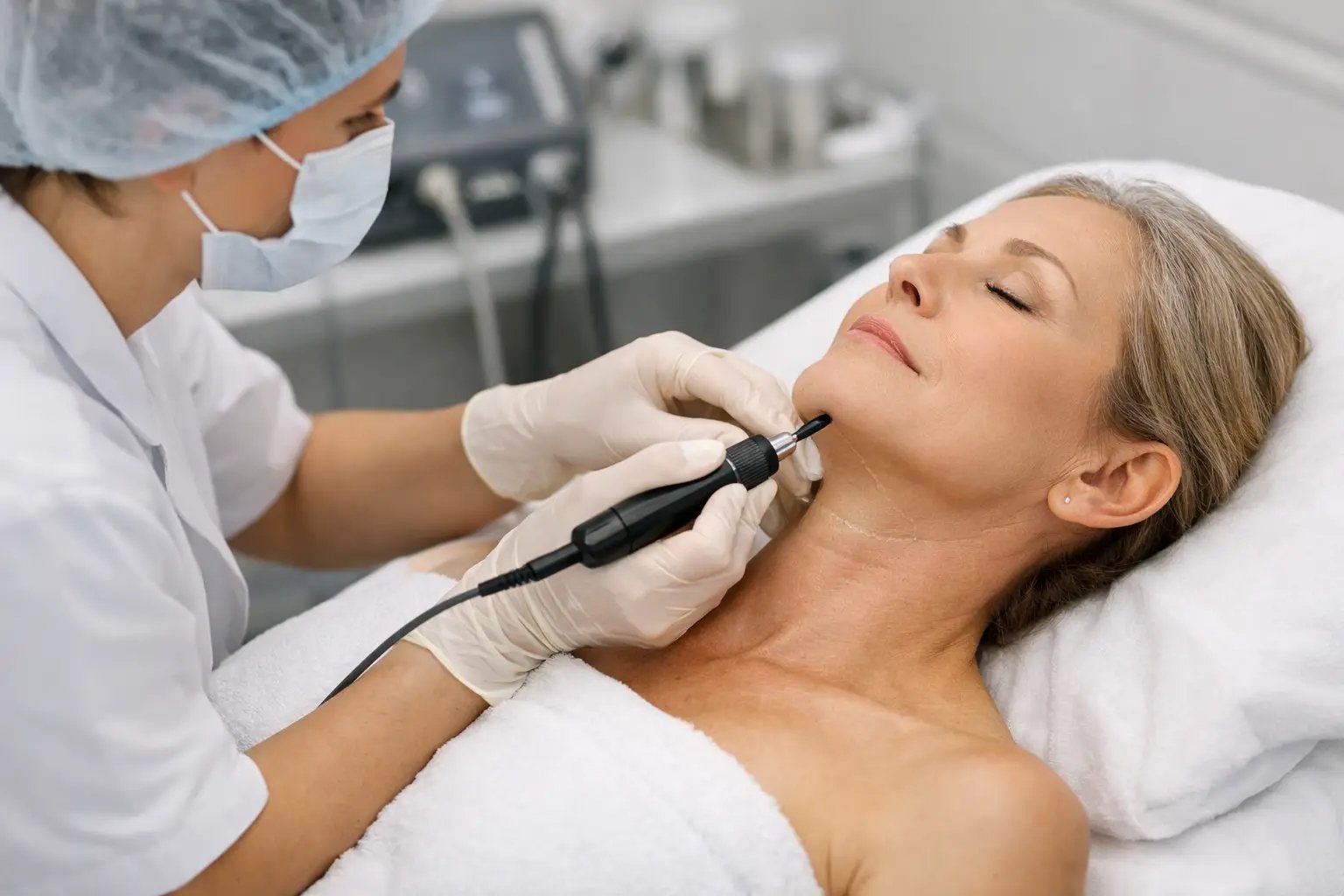
Advances in minimally invasive facial rejuvenation have introduced innovative techniques that support skin tightening without extensive surgery. The FaceTite procedure uses radiofrequency-assisted lipolysis technology to gently heat deeper skin layers, stimulating collagen production while reducing small pockets of fat. This controlled thermal energy helps support firmer skin, improved elasticity, and more defined facial contours over time.
FaceTite is often considered among non-surgical facelift alternatives because it provides noticeable lifting benefits with smaller entry points and shorter recovery time compared to traditional surgery. The procedure typically targets areas such as the jawline, neck, and lower face where skin laxity may affect contour balance. By combining skin tightening treatments with fat reduction, FaceTite supports gradual, natural-looking refinement.
Patients often appreciate that radiofrequency-assisted lipolysis stimulates collagen remodeling that continues improving skin quality for several months following treatment.
What Is a Surgical Facelift?
A surgical facelift (rhytidectomy) is a comprehensive facial contouring procedure designed to reposition underlying tissues and remove excess skin for more dramatic rejuvenation. During surgery, deeper structural layers are lifted and tightened, helping restore youthful facial proportions and smoother skin contours. This approach is often recommended for patients with more advanced skin laxity or deeper folds.
Surgical facelift procedures address multiple layers of facial aging, including muscle repositioning and removal of excess skin. This allows surgeons to achieve more significant lifting results in areas such as the cheeks, jawline, and neck. Patients often consider this option when seeking longer-lasting correction of moderate to severe sagging.
Because surgical facelift techniques focus on structural repositioning rather than surface-level tightening alone, results may provide comprehensive contour improvement for many years.
Comparing FaceTite and Facelift
Comparing treatment approaches side by side helps patients better understand how minimally invasive technology and surgical techniques each contribute to achieving balanced, natural-looking facial rejuvenation.
1. Treatment Approach
Both the FaceTite procedure and surgical facelift techniques aim to support facial rejuvenation, yet they achieve results through different methods. FaceTite relies on radiofrequency-assisted lipolysis to stimulate collagen production and tighten skin gradually. A surgical facelift physically repositions tissue layers to achieve more dramatic contour improvement.
Minimally invasive facial rejuvenation treatments often appeal to patients seeking subtle refinement. Surgical facelift techniques provide structural repositioning for advanced aging concerns. Both methods contribute to improved facial balance.
2. Level of Invasiveness
FaceTite is considered a minimally invasive facial rejuvenation option because it uses small entry points and localized anesthesia. The surgical facelift involves incisions that allow repositioning of deeper tissue layers. Differences in technique influence recovery time and procedural complexity.
Non-surgical facelift alternatives offer less extensive intervention. Surgical procedures address deeper structural concerns. Patients benefit from personalized recommendations.
3. Recovery Expectations
Recovery time often influences treatment decisions when comparing facial contouring procedures. FaceTite typically involves shorter downtime with gradual improvement over several weeks. Surgical facelift recovery may involve a longer healing period as tissues adjust to repositioning.
Shorter downtime appeals to patients with active lifestyles. Surgical facelift recovery supports more comprehensive structural change. Skin tightening treatments may complement healing process.
4. Results Timeline
FaceTite results develop gradually as collagen remodeling continues over several months. Surgical facelift results may be visible more quickly once swelling subsides. Each approach offers unique advantages depending on patient expectations.
Gradual collagen stimulation supports natural-looking improvement. Surgical techniques provide immediate structural repositioning. Jawline tightening results vary by treatment type.
5. Longevity of Results
Surgical facelift procedures often provide longer-lasting contour correction due to deeper tissue repositioning. FaceTite supports collagen stimulation that contributes to progressive skin tightening treatments. Longevity often depends on lifestyle factors and skincare maintenance.
Both treatments support long-term rejuvenation. Maintenance care supports sustained results. Personalized planning enhances longevity.
6. Ideal Candidates
Patients with mild to moderate skin laxity often explore non-surgical facelift alternatives such as FaceTite. Individuals experiencing more advanced sagging may consider surgical facelift options for greater structural correction. Consultation allows providers to recommend appropriate facial contouring procedures.
Candidate suitability depends on skin elasticity and goals. Facial anatomy influences treatment selection. Professional evaluation supports informed decisions.
7. Jawline and Neck Contouring
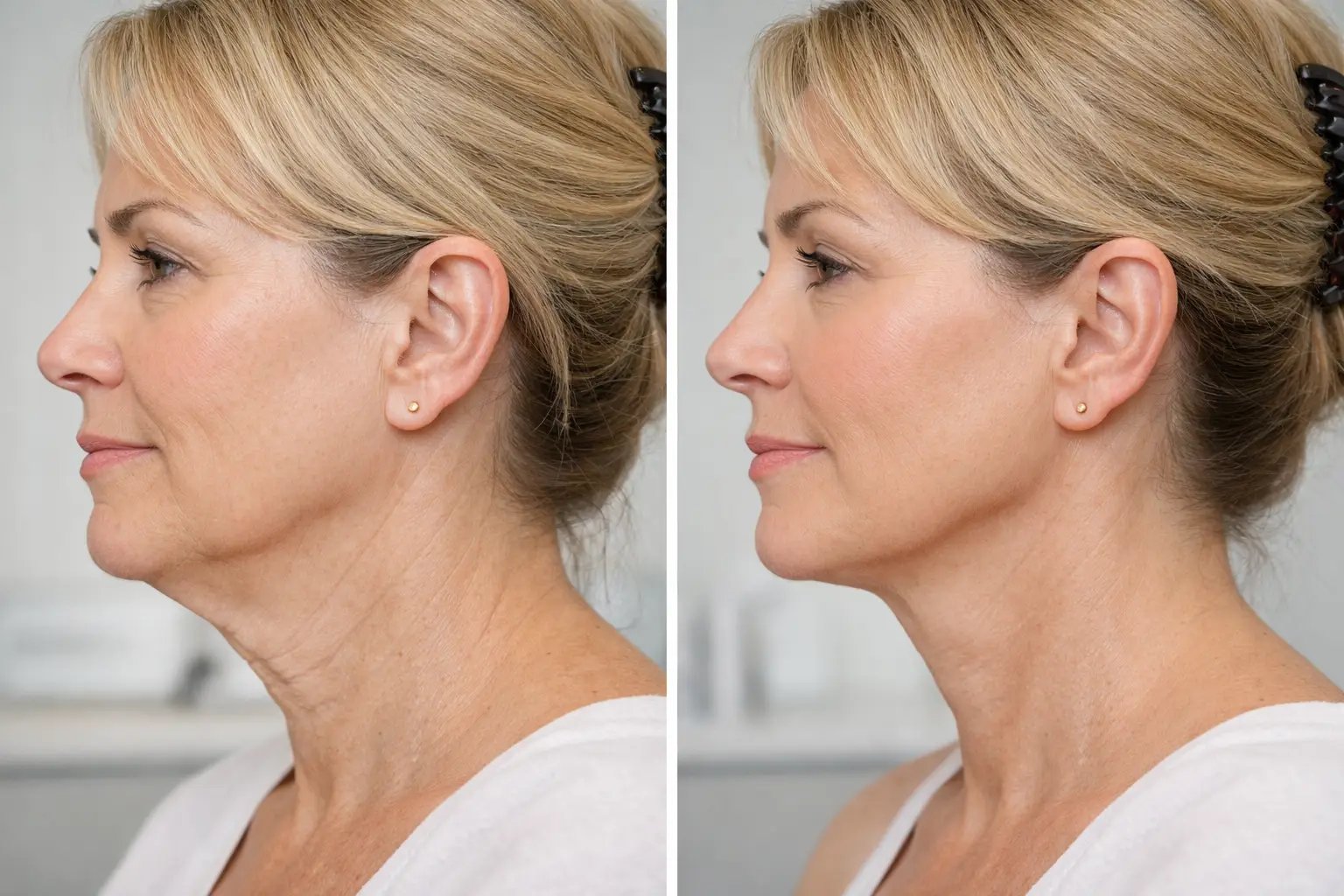
Jawline tightening is a common goal for patients seeking facial rejuvenation treatments. FaceTite supports contour refinement by reducing small fat deposits and tightening surrounding tissue. Surgical facelift procedures may provide more dramatic correction of sagging neck skin.
Both treatments address lower face aging concerns. Radiofrequency-assisted lipolysis enhances contour precision. Surgical repositioning improves structural alignment.
8. Combination Treatment Potential
Some patients benefit from combining skin tightening treatments with additional procedures designed to support collagen renewal. Complementary approaches may enhance overall facial balance and skin texture improvement. Personalized plans often integrate multiple facial contouring procedures.
Combination care supports comprehensive rejuvenation. Multi-layer treatment enhances outcomes. Customized strategies improve satisfaction.
9. Natural-Looking Results
Modern facial rejuvenation treatments prioritize natural enhancement rather than dramatic transformation. The FaceTite procedure stimulates gradual collagen production that supports subtle contour improvement. Surgical facelift techniques reposition tissue while maintaining facial harmony.
Balanced results support confidence. Natural contours enhance facial proportions. Personalized treatment supports aesthetic goals.
Personalized Facial Rejuvenation with Kirwan Plastic Surgery
Choosing between a FaceTite procedure and a surgical facelift depends on individual aesthetic goals, skin elasticity, and desired recovery timeline. Both minimally invasive facial rejuvenation and surgical facelift techniques offer unique benefits for improving skin firmness, contour balance, and overall facial harmony. Understanding how radiofrequency-assisted lipolysis compares to structural repositioning allows patients to make informed decisions aligned with long-term rejuvenation goals.
Kirwan Plastic Surgery in Norwalk, CT, offers advanced facial contouring procedures designed to support natural-looking results through personalized consultation and treatment planning. Whether exploring non-surgical facelift alternatives or comprehensive surgical facelift techniques, patients benefit from thoughtful evaluation focused on improving skin structure and restoring balanced facial contours.
Through modern skin tightening treatments and individualized care strategies, we provide facial rejuvenation treatments designed to support confidence, enhance jawline tightening, and promote lasting improvements in facial appearance that reflect both scientific innovation and aesthetic artistry.
Get in touch with us today to book your consultation!
Call Our Office For More Information
Share this Article
Dr. Laurence Kirwan
Dr. Laurence Kirwan, MD, FRCS, FACS, is an internationally renowned, board-certified plastic surgeon with over 30 years of experience. He trained at Manchester University and completed his Plastic Surgery residency at the University of Missouri. A Fellow of the Royal College of Surgeons and American College of Surgeons, he is a leader in aesthetic surgery, specializing in face, breast, and body procedures. Dr. Kirwan has authored multiple scientific papers and books and served as an instructor in prestigious programs. Recognized by Tatler and Russian Vogue, he practices in Connecticut, where he continues to offer personalized, top-tier care to his patients.