

07
Aug
Neck Lift Surgery in Norwalk: The Complete Guide
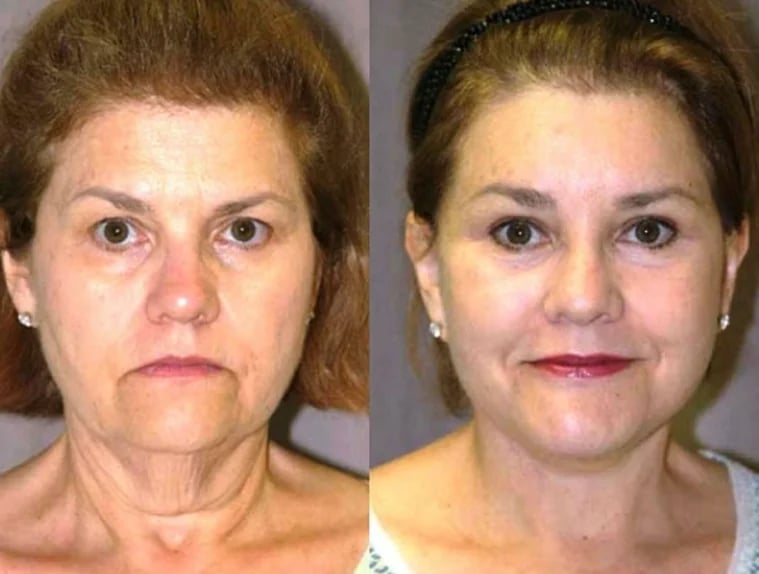
The neck is often the first place patients notice age-related change - sometimes before it shows up anywhere else on the face. Skin laxity along the jawline, vertical bands from the platysma muscle, and fullness under the chin can make someone look years older than they feel, even when the rest of their face looks well-preserved. A neck lift directly addresses these specific changes, and for many patients, it delivers one of the most noticeable, high-impact improvements of any facial procedure.
Why the Neck Ages the Way It Does
The neck ages through a combination of factors that are worth understanding before deciding on treatment, because different causes call for different solutions. Skin laxity develops as collagen and elastin production slow with age, allowing skin that once sat tightly against the neck to loosen and sag. The platysma muscle - a broad, thin muscle running vertically down the neck - can separate along the midline over time, creating the vertical "bands" that become more prominent with neck movement or tension, sometimes called "turkey neck." Fat deposits under the chin and along the jawline, whether from genetics, weight changes, or simply aging, add fullness that obscures a defined jawline. Most patients experience some combination of all three, which is exactly why a thorough evaluation matters - the right procedure depends on which of these factors is actually driving what you see in the mirror.

Is It Fat, Skin, or Muscle? Getting the Diagnosis Right
This is the single most important question in neck lift consultation, because treating the wrong cause produces a disappointing result even if the surgery itself is performed well.
If fullness is primarily fat, without significant skin laxity or muscle banding, liposuction of the neck or a non-surgical option like Kybella may be sufficient on its own, without a full surgical neck lift. This is common in younger patients whose skin still has good elasticity - removing the excess fat allows the skin to redrape naturally against the improved contour.
If the primary issue is loose, sagging skin, especially in patients with reduced skin elasticity, fat removal alone won't solve the problem - and in some cases can make loose skin look worse by removing the volume that was filling it out. These patients typically need an actual neck lift to remove excess skin and re-tighten the remaining tissue.
If vertical banding from the platysma muscle is the dominant concern, this requires direct surgical repair of the muscle itself (platysmaplasty) - something neither fat removal nor skin tightening alone will correct, since the bands are a muscular issue, not a skin or fat issue.
Most patients Dr. Kirwan sees have a combination of these factors, which is why a comprehensive neck lift typically addresses all three elements together: removing excess fat, repairing separated muscle, and re-draping and trimming loose skin - rather than a single-technique approach that only solves part of the picture.
What Neck Lift Surgery Actually Involves
A comprehensive neck lift is typically performed through a combination of small incisions - often behind the ears and sometimes a small incision under the chin - allowing access to reposition and repair the platysma muscle, remove excess fat through direct excision or liposuction, and trim and re-drape excess skin along the jawline and neck. The specific technique and incision pattern are customized based on the extent of correction needed and whether the procedure is being performed as a standalone neck lift or combined with a facelift.
Surgery is performed at Dr. Kirwan's AAAASF-accredited Norwalk facility, often using local anesthesia with conscious sedation for appropriately selected patients - an approach Dr. Kirwan favors for many facial procedures, since it can offer a smoother recovery experience compared to general anesthesia for the right candidates. The procedure itself typically takes between two and four hours depending on complexity and whether it's combined with other facial work.
Neck Lift Alone vs. Combined With a Facelift
One of the more common questions in consultation is whether a neck lift can be performed as a standalone procedure, or whether it needs to be paired with a full facelift. The honest answer depends entirely on where your aging changes are concentrated. Patients whose primary concern is genuinely isolated to the neck and jawline - with the midface and cheeks still looking well-supported - are often excellent candidates for a standalone neck lift, avoiding the additional recovery and cost of a full facelift they don't actually need.
Patients with more generalized facial aging - sagging in the midface, deepening nasolabial folds, jowling that extends well up into the cheek - typically see a more harmonious, natural-looking result from a combined facelift and neck lift, since treating the neck alone on a face with broader aging changes can create a slightly disconnected look, where the neck looks rejuvenated but doesn't quite match the rest of the face. Dr. Kirwan's evaluation during consultation focuses specifically on this - determining honestly whether your goals are better served by addressing the neck alone or as part of a broader plan, rather than defaulting to the more extensive option.
Male patients considering neck rejuvenation often have specific anatomical and aesthetic considerations - including how a beard, if present, is factored into incision planning, and a general preference for a stronger, less "swept" jawline result. Dr. Kirwan's page on facelift and neck lift for men addresses these considerations directly.
Recovery: What to Actually Expect
Days 1–3. Swelling and bruising are most significant during this window, often more pronounced than patients expect based on how the procedure is typically described. A compression garment around the neck and jawline is worn nearly continuously to support healing and minimize swelling. Discomfort is generally moderate, managed with prescribed medication tapering over the first several days. Sleeping with the head elevated is important during this period to help control swelling.
Days 4–7. Bruising typically shifts from deep purple toward yellow-green, and swelling begins a gradual, steady decline. Most patients are not yet comfortable being seen socially during this window, given visible bruising and swelling, though many feel capable of light activity at home.
Weeks 2–3. This is often when patients return to work, particularly if their role doesn't require significant public interaction or physical exertion - makeup can typically camouflage most remaining bruising by this point for patients who choose to use it. Sutures, if not the dissolvable type, are removed during this window if they weren't already addressed in an earlier follow-up.
Weeks 4–6. Swelling continues to resolve, and the neck's new contour becomes increasingly apparent as residual puffiness fades. Light exercise is often cleared around this point, though more strenuous activity, particularly anything involving significant neck movement or straining, typically waits longer.
Months 2–6. This is the period where the truly final result emerges. Subtle swelling can persist for months in some patients, particularly noticeable under the chin, gradually resolving as tissue fully settles. Scars, wherever they're placed, mature over this period - typically pink initially, fading substantially by six months to a year.
How Long Do Neck Lift Results Last?
A neck lift addresses existing skin laxity, fat, and muscle separation, but it doesn't stop the aging process going forward - the neck will continue to age after surgery, just from a meaningfully improved starting point. Most patients enjoy a result that looks notably youthful and improved for many years, often a decade or more, though this varies based on skin quality, genetics, weight stability, and lifestyle factors like sun exposure and smoking. Our companion article on how long facelift results last covers similar longevity principles that apply to neck lift results as well, since the underlying tissue-aging process is related.
Non-Surgical Alternatives Worth Understanding First
Not every patient needs - or is ready for - surgery. For milder cases, particularly where fat is the dominant issue and skin elasticity remains good, non-surgical options can meaningfully improve neck appearance without an operating room. Kybella targets submental fat directly through injection. Radiofrequency-based skin tightening technologies can offer modest improvement in skin laxity for appropriately selected patients. These options won't correct significant skin excess or platysma banding - for those, surgery remains the more effective and reliable solution - but they're worth discussing honestly during consultation if your concerns are milder or if you're not yet ready to commit to surgical recovery.
Frequently Asked Questions
Can I get a neck lift without a full facelift?
Yes, for patients whose aging changes are concentrated primarily in the neck and jawline, with the midface still well-supported. Patients with more generalized facial aging typically achieve a more harmonious result from a combined facelift and neck lift.
How long does neck lift recovery take?
Most patients return to work and light social activity within two to three weeks, though full resolution of swelling and the final result typically takes three to six months.
What causes neck bands, and can a neck lift fix them?
Vertical neck bands come from separation of the platysma muscle along the midline of the neck. A comprehensive neck lift that includes muscle repair (platysmaplasty) directly addresses this, whereas skin tightening or fat removal alone will not.
Is Kybella a substitute for a neck lift?
Only for patients whose primary concern is submental fat with good skin elasticity and no significant muscle banding. For patients with loose skin or platysma banding, Kybella alone won't achieve the same result as surgery.
How long do neck lift results last?
Results commonly last a decade or more, though this varies based on skin quality, genetics, and lifestyle factors, since the neck continues to age naturally after surgery from an improved starting point.
Call Our Office For More Information
Share this Article
Dr. Laurence Kirwan
Dr. Laurence Kirwan, MD, FRCS, FACS, is an internationally renowned, board-certified plastic surgeon with over 30 years of experience. He trained at Manchester University and completed his Plastic Surgery residency at the University of Missouri. A Fellow of the Royal College of Surgeons and American College of Surgeons, he is a leader in aesthetic surgery, specializing in face, breast, and body procedures. Dr. Kirwan has authored multiple scientific papers and books and served as an instructor in prestigious programs. Recognized by Tatler and Russian Vogue, he practices in Connecticut, where he continues to offer personalized, top-tier care to his patients.