

29
Jul
Considering Gynecomastia Surgery in Connecticut? Causes, Candidacy, and Recovery Explained
Enlarged male breast tissue is one of the most common yet least openly discussed concerns men bring to a plastic surgeon's office, often after years of avoiding certain clothing, activities, or situations where the chest might be visible. Dr. Laurence Kirwan's gynecomastia practice in Norwalk addresses this concern directly, and understanding the underlying causes, candidacy factors, and realistic recovery timeline can help men considering this procedure feel more informed and less alone in a concern that is genuinely far more common than most men realize.

What Gynecomastia Actually Is
Gynecomastia refers to the development of excess breast tissue in men, ranging from a mild increase in tissue that is barely noticeable to more significant enlargement that creates a visibly feminized chest contour. This condition can involve excess glandular breast tissue, excess fat, or, in many cases, a combination of both, and understanding which specific tissue type is present in a given patient directly shapes the surgical approach Dr. Kirwan recommends.
Gynecomastia is not a sign of poor fitness or a condition patients can simply diet or exercise away, since true glandular tissue does not respond to caloric restriction or targeted exercise the way fat elsewhere in the body might. This is an important distinction many men do not realize until they have already spent months or years attempting to address the concern through lifestyle changes alone, without meaningful improvement.
Common Causes of Gynecomastia
Understanding what causes gynecomastia in the first place helps explain why it is such a widespread concern rather than a rare condition. Hormonal fluctuations during puberty are one of the most common causes, with many adolescent boys experiencing some degree of temporary breast tissue development that typically resolves on its own within a couple of years, though for some patients this tissue persists into adulthood rather than resolving naturally.
Anabolic steroid use and certain performance-enhancing substances are well-documented causes of gynecomastia, since these substances can disrupt the natural balance between testosterone and estrogen in ways that promote breast tissue growth. This is a particularly common cause among bodybuilders and athletes using these substances, a pattern Dr. Kirwan has observed regularly in his own practice. Marijuana use has also been associated with gynecomastia in some patients, along with certain prescription medications that can affect hormonal balance as a side effect.
Significant weight gain and obesity can contribute to gynecomastia as well, both through general fat accumulation in the chest area and through hormonal changes associated with excess body fat, since fat tissue itself can produce estrogen, creating a hormonal environment that promotes breast tissue development. Certain medical conditions affecting liver function, thyroid function, or testosterone production can also cause or contribute to gynecomastia, which is why a thorough medical history review is an important part of any gynecomastia consultation.
Why a Medical Evaluation Matters Before Surgery
Because gynecomastia can occasionally signal an underlying medical condition, Dr. Kirwan's evaluation includes a thorough review of a patient's health history, current medications, and any relevant symptoms before proceeding directly to surgical planning. In most cases, gynecomastia is not associated with any serious underlying medical issue, but ruling out conditions such as thyroid dysfunction, liver disease, or hormonal imbalances is a responsible, important step before addressing the concern surgically.
Patients using anabolic steroids or other substances contributing to gynecomastia are also counseled regarding the importance of discontinuing use, since continued use following surgery can lead to a recurrence of breast tissue growth even after a successful surgical correction.
Who Is a Good Candidate for Gynecomastia Surgery
Good candidates for gynecomastia surgery are men who have persistent breast tissue enlargement that has not resolved on its own, particularly if the condition has been stable for at least a year or more, suggesting it is unlikely to resolve further without intervention. Patients should be in good general health, at a relatively stable body weight, and should have realistic expectations about what surgery can achieve for their specific degree of tissue excess.
Men experiencing significant emotional distress, self-consciousness, or lifestyle limitations related to their chest appearance, such as avoiding activities like swimming or wearing fitted clothing, are often strong candidates for pursuing surgical correction, since the psychological impact of gynecomastia is frequently just as significant a consideration as the physical presentation itself.
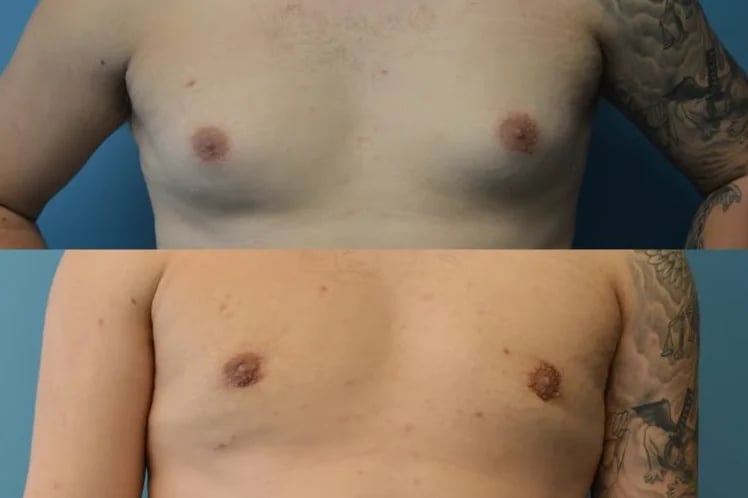
The Two Main Surgical Approaches
Dr. Kirwan's specific surgical approach depends on whether a patient's gynecomastia is driven primarily by excess fat, excess glandular tissue, or a combination of both.
Liposuction-Only Approach
For patients whose gynecomastia is caused primarily by excess fat rather than dense glandular tissue, liposuction alone may be sufficient to correct the concern. This approach involves inserting a thin cannula through small, well-hidden incisions to remove the excess fat, flattening the chest contour without requiring more extensive tissue excision. This approach generally involves less scarring and a somewhat more straightforward recovery than glandular tissue excision, making it the preferred approach whenever a patient's specific anatomy allows for it.
Direct Excision of Glandular Tissue
For patients with true, dense glandular breast tissue rather than simply excess fat, liposuction alone is not adequate, since this firmer, more fibrous tissue cannot be effectively removed through a liposuction cannula. In these cases, Dr. Kirwan performs a direct surgical excision, removing the glandular tissue through a small incision, typically placed at the edge of the areola where the resulting scar can blend into the natural color transition and be well concealed. Many patients require a combination of both liposuction and direct excision, addressing both the fatty and glandular components of their specific presentation.
Addressing Skin Excess in More Significant Cases
For men with more significant gynecomastia, particularly those who have experienced substantial weight loss and are left with loose, excess skin in addition to breast tissue, a more extensive procedure may be needed to remove this excess skin and reposition the nipple to a more natural, elevated position. This more comprehensive approach is often combined with a broader body lift procedure for patients who are addressing gynecomastia as part of a larger post-weight-loss body contouring plan, sometimes referred to as an upper body lift when it encompasses the chest, upper back, and arms together.
What Happens During a Gynecomastia Consultation
During a consultation, Dr. Kirwan evaluates the specific composition of a patient's breast tissue, distinguishing between fat and glandular tissue through physical examination, and assesses skin quality and elasticity to determine whether skin excision will also be necessary. He reviews the patient's health history and any relevant medication or substance use that may be contributing to the condition, and discusses realistic expectations for the surgical outcome based on the specific combination of tissue present.
Given Dr. Kirwan's practice model, patients see him personally at this initial consultation and at every subsequent appointment throughout their treatment, rather than being evaluated by different staff members at different points in the process.
The Procedure and Anesthesia Approach
Gynecomastia surgery is typically performed under local anesthesia with conscious sedation at Dr. Kirwan's own AAAASF-accredited surgical facility in Norwalk, an approach that allows many patients to avoid some of the additional recovery considerations associated with general anesthesia. The procedure generally takes one to three hours depending on the specific combination of liposuction, tissue excision, and, if needed, skin removal required for a given patient's anatomy.
Recovery After Gynecomastia Surgery
Most patients experience swelling, bruising, and some tightness across the chest in the first week following surgery, generally well managed with prescribed pain medication and a compression garment worn to support the healing tissue and manage swelling. Most patients feel comfortable returning to work within about a week for less physically demanding jobs, though strenuous exercise and any activity involving significant chest muscle engagement is typically restricted for four to six weeks to allow complete healing.
Dr. Kirwan personally calls patients the evening of surgery and sees them in person the following day, continuing this direct, personal involvement throughout the recovery process, including all follow-up visits.
Setting Realistic Expectations for Results
A well-performed gynecomastia procedure should produce a flatter, more masculine chest contour that looks proportionate to the patient's overall build, without an overly hollowed or unnatural appearance. Dr. Kirwan is direct with patients about what degree of improvement is realistically achievable given their specific starting anatomy, since patients with significant skin excess in addition to tissue removal may have some residual skin laxity that liposuction and tissue excision alone cannot fully address without a more extensive skin removal procedure.
Long-Term Results and Recurrence Considerations
Once glandular tissue has been surgically removed, it does not typically regrow, meaning results from properly performed gynecomastia surgery are generally permanent for the glandular tissue component of the correction. However, patients who continue using substances known to contribute to gynecomastia, including certain steroids or excessive marijuana use, or who experience significant future weight gain, can develop new fat accumulation or, in some cases involving continued substance use, hormonally driven tissue regrowth in the chest area over time.
Dr. Kirwan discusses these long-term maintenance considerations directly with patients, particularly those whose gynecomastia was related to identifiable lifestyle factors, since addressing the underlying cause alongside the surgical correction is important for maintaining results over the years following surgery.
Combining Gynecomastia Surgery With Other Procedures
Some men combine gynecomastia surgery with other body contouring procedures during the same surgical session, particularly liposuction of the abdomen or flanks for patients addressing multiple areas of concern simultaneously. For patients with more significant weight loss history, gynecomastia correction is sometimes performed as part of a broader upper body lift addressing the chest, back, and arms together in a single comprehensive procedure.
Why Discretion Matters for This Procedure
Given how personal and often emotionally significant this concern is for many men, Dr. Kirwan's practice approaches gynecomastia consultations with particular sensitivity and discretion, recognizing that many patients have carried self-consciousness about this concern for years, sometimes decades, before finally scheduling a consultation. Patients are encouraged to discuss any specific privacy preferences directly with the practice, which can accommodate scheduling and communication needs to help patients feel as comfortable as possible throughout the entire process.
Taking the Next Step
If you are considering gynecomastia surgery in Connecticut and want a thorough, discreet consultation with a surgeon who sees every patient personally, contact Dr. Kirwan's office today.
Understanding the Different Grades of Gynecomastia
Plastic surgeons commonly classify gynecomastia into different grades based on the amount of excess tissue present and the degree of skin excess, and understanding this classification helps explain why treatment recommendations vary so much from patient to patient. Grade I gynecomastia involves a small amount of excess tissue without significant skin excess, often well suited to a relatively straightforward liposuction or limited excision approach. Grade II involves moderate tissue excess, sometimes with mild skin laxity, typically requiring a combination of liposuction and direct glandular excision. Grade III and IV represent more significant tissue excess, often accompanied by noticeable skin laxity and, in more advanced cases, a downward displacement of the nipple position that requires surgical repositioning as part of the correction.
Dr. Kirwan's evaluation during the consultation identifies which grade most closely reflects a given patient's presentation, since this classification directly informs the complexity of the surgical plan required and the realistic recovery timeline a patient should expect.
Unilateral vs. Bilateral Gynecomastia
While gynecomastia often affects both sides of the chest relatively symmetrically, some men present with unilateral gynecomastia, affecting only one side, or with significant asymmetry between the two sides. This presentation can sometimes cause additional anxiety for patients, who may wonder whether the asymmetry itself signals a more serious underlying issue. In most cases, unilateral or asymmetric gynecomastia reflects the same benign hormonal or lifestyle-related causes as bilateral cases, simply manifesting somewhat unevenly between the two sides, though Dr. Kirwan's evaluation includes appropriate attention to ruling out other causes when significant asymmetry is present.
Surgical planning for asymmetric cases requires particular attention to achieving a balanced, symmetric final result despite differing starting points on each side, sometimes requiring a somewhat different specific technique or extent of correction on each side of the chest to achieve an even, natural-looking final contour.
The Emotional and Psychological Impact of Gynecomastia
Research on gynecomastia consistently shows that this condition carries a significant psychological burden for many men, often disproportionate to what might be assumed based on the physical presentation alone. Men with gynecomastia frequently report avoiding activities like swimming, going shirtless, or wearing fitted clothing, and some describe changing their entire wardrobe strategy for years specifically to conceal their chest. Anxiety, self-consciousness, and in some cases clinically significant depression or social withdrawal have been associated with untreated gynecomastia in various studies, underscoring that this is a legitimate medical and psychological concern rather than a purely cosmetic preference.
Dr. Kirwan approaches every gynecomastia consultation with this psychological dimension in mind, recognizing that successful surgical correction often produces a meaningful improvement in a patient's overall confidence and willingness to participate in activities and social situations they had previously avoided, beyond the physical change itself.
How Gynecomastia Surgery Differs From Female Breast Reduction
Patients sometimes ask how gynecomastia surgery compares to breast reduction surgery performed for women, since both procedures involve reducing breast tissue volume. While there is some technical overlap, gynecomastia surgery in men specifically aims to create a flat, masculine chest contour, entirely different from the goal of female breast reduction, which aims to reduce breast size while preserving a distinctly feminine breast shape and mound. This means gynecomastia surgery typically involves more complete tissue removal relative to the overall chest size than female breast reduction would, since any residual fullness in a male patient can continue to read as a feminized chest contour even after significant tissue removal.
Dr. Kirwan's approach to gynecomastia specifically accounts for this distinct aesthetic goal, tailoring his surgical technique to achieve the flat, well-defined masculine chest contour that male patients are specifically seeking, rather than applying breast reduction principles designed for an entirely different aesthetic outcome.
What to Expect at Your Follow-Up Visits
Following gynecomastia surgery, patients typically return for several follow-up visits over the weeks following the procedure, allowing Dr. Kirwan to monitor healing, remove any sutures if needed, and confirm that swelling is resolving as expected. These visits also provide an opportunity to discuss the compression garment schedule, confirm when it is appropriate to gradually resume normal activity levels, and address any questions or concerns that arise during the recovery process. Given Dr. Kirwan's practice model, these follow-up visits are conducted personally with him rather than delegated to other staff members.
Preparing for Gynecomastia Surgery
Patients preparing for gynecomastia surgery are generally advised to stop smoking and using nicotine products well in advance of surgery, since nicotine impairs healing. Any supplements or medications that increase bleeding risk should be reviewed with Dr. Kirwan's office and paused as directed before surgery. Patients using anabolic steroids or other substances contributing to their gynecomastia should discuss discontinuing use with Dr. Kirwan, both to support optimal surgical planning and to reduce the risk of tissue regrowth following surgery.
Arranging for a ride home after surgery and having a compression garment ready to wear immediately following the procedure are both practical steps that help ensure a smooth start to the recovery process.
The Role of Nipple Position in Surgical Planning
For men with more advanced gynecomastia, particularly those with significant tissue and skin excess, the nipple and areola can become displaced downward relative to its natural, higher position on a flat male chest. Correcting this displaced position, in addition to removing the excess tissue itself, is an important part of achieving a natural-looking result for these more advanced cases. Dr. Kirwan's surgical planning accounts for nipple position specifically, sometimes requiring a more involved technique to reposition the nipple and areola complex to a more youthful, appropriately placed position as part of the overall correction.
Why Choosing an Experienced Surgeon Matters for This Procedure
Gynecomastia surgery requires careful judgment regarding how much tissue to remove and how to blend the transition between the chest and surrounding areas to avoid an overly hollowed, concave, or unnatural-looking result. Surgeons with less specific experience in this procedure sometimes remove either too little tissue, leaving residual fullness, or too much, creating an unnatural indentation. Dr. Kirwan's extensive surgical experience, spanning over 10,000 procedures across his career, provides the kind of refined judgment this procedure specifically requires to achieve a natural, proportionate result.
Insurance Coverage Considerations
Because gynecomastia surgery is generally considered an elective cosmetic procedure, it is typically not covered by health insurance, even though the condition itself may have an underlying hormonal or medical cause. In rare cases involving a clearly documented medical condition directly causing the tissue growth, some insurance plans may offer partial coverage, though this is the exception rather than the rule. Patients are encouraged to discuss their specific situation with both Dr. Kirwan's office and their insurance provider to understand what, if any, coverage might apply.
Frequently Asked Questions
Can gynecomastia go away on its own without surgery?
In some cases, particularly gynecomastia related to puberty, tissue can resolve on its own within a couple of years. However, gynecomastia that has persisted for a year or more, or that is related to ongoing substance use or an underlying medical condition, typically does not resolve without treatment.
Will diet and exercise get rid of gynecomastia?
No, particularly if true glandular tissue is present, since this tissue does not respond to caloric restriction or targeted exercise the way body fat might. A physical evaluation is needed to determine whether fat, glandular tissue, or both are contributing to your specific presentation.
How do I know if I need liposuction alone or tissue excision?
This is determined through a physical examination during your consultation, since liposuction alone is only appropriate for gynecomastia caused primarily by excess fat rather than dense, fibrous glandular tissue.
How long is recovery after gynecomastia surgery?
Most patients return to work within about a week, though strenuous exercise and chest-engaging activity are typically restricted for four to six weeks to allow complete healing.
Is gynecomastia surgery permanent?
Surgically removed glandular tissue generally does not regrow, making results permanent for that component of the procedure, though continued substance use or significant future weight gain can lead to new tissue development over time.
What causes gynecomastia in the first place?
Common causes include hormonal changes during puberty, anabolic steroid or marijuana use, certain medications, obesity, and, less commonly, underlying medical conditions affecting the liver, thyroid, or testosterone levels.
Will I see Dr. Kirwan personally throughout my treatment?
Yes. Dr. Kirwan sees every patient personally at every single appointment, from the initial consultation through surgery and all follow-up visits.
Call Our Office For More Information
Share this Article

Dr. Laurence Kirwan
Dr. Laurence Kirwan, MD, FRCS, FACS, is an internationally renowned, board-certified plastic surgeon with over 30 years of experience. He trained at Manchester University and completed his Plastic Surgery residency at the University of Missouri. A Fellow of the Royal College of Surgeons and American College of Surgeons, he is a leader in aesthetic surgery, specializing in face, breast, and body procedures. Dr. Kirwan has authored multiple scientific papers and books and served as an instructor in prestigious programs. Recognized by Tatler and Russian Vogue, he practices in Connecticut, where he continues to offer personalized, top-tier care to his patients.