

31
Jul
Arm Lift (Brachioplasty) in Norwalk: What Recovery Actually Involves
Patients considering arm lift surgery with Dr. Laurence Kirwan in Norwalk often focus their research on the procedure itself, without fully understanding what the recovery period genuinely involves day by day. Understanding this timeline in detail helps patients plan appropriately and set realistic expectations before committing to surgery.
Why Recovery Planning Matters So Much for This Procedure
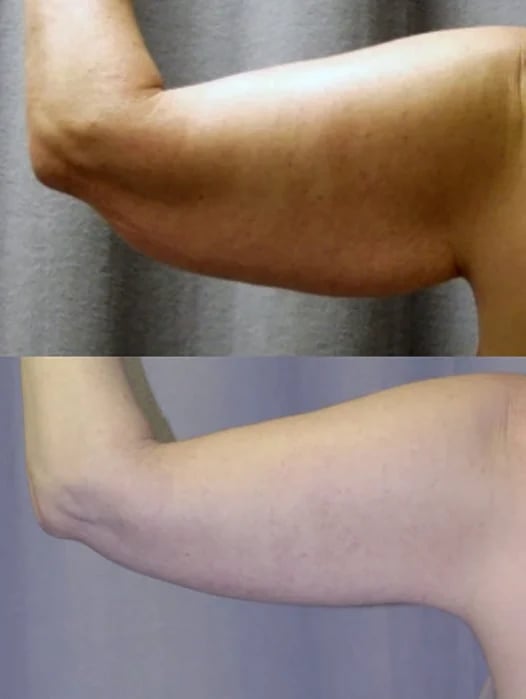
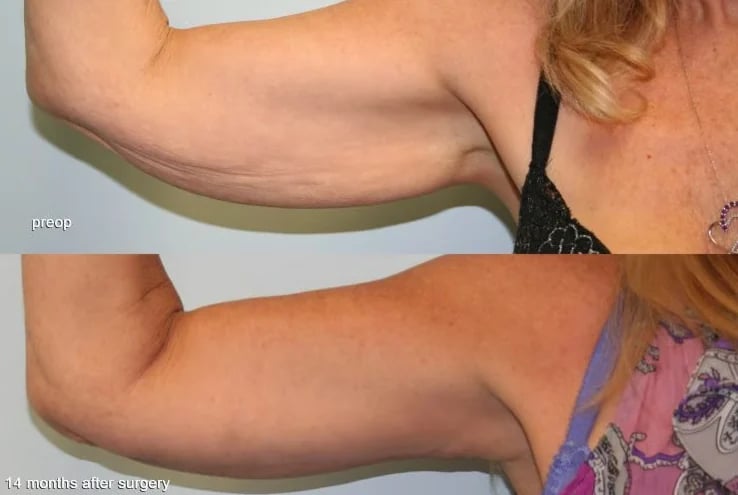
Arm lift surgery involves a longer incision than many other body contouring procedures, running from the underarm toward the elbow along the inner arm, which means the healing process requires particular attention to wound care, activity restriction, and scar management over an extended period. Patients who understand this timeline in advance tend to navigate recovery with less frustration than those who assume it will proceed as quickly as smaller, more limited procedures.
The First 24 to 48 Hours
Immediately following surgery, patients experience swelling, tightness, and some discomfort along the treated arm, managed with prescribed pain medication. A compression garment is worn continuously during this period to help control swelling and support the healing tissue. Most patients spend the first day or two resting at home, keeping the arms elevated when possible to help minimize swelling, since gravity naturally causes fluid to accumulate in the extremities following surgery.
Given Dr. Kirwan's practice model, he personally calls patients on the evening of surgery to check in directly, and sees patients in person the following day, a level of immediate, personal follow-up that many larger practices do not offer to the same degree.

Days Three Through Seven
Swelling and bruising typically remain quite visible during this window, though discomfort generally begins to improve compared to the first couple of days. Patients can usually manage most light daily activities during this period, though lifting anything beyond very light objects remains restricted, and the compression garment continues to be worn consistently. Some patients notice increased tightness or a pulling sensation along the incision during this window, which is a normal part of the healing process as the tissue begins to settle.
Week Two
By the second week, most patients notice a meaningful reduction in swelling and discomfort, and many feel comfortable returning to work, particularly for less physically demanding jobs that do not require significant arm use. Showering is typically permitted by this point, following specific wound care instructions provided by Dr. Kirwan's office, though patients should continue avoiding activities that place tension on the healing incision.
Weeks Three and Four
Continued improvement in swelling and comfort typically occurs during this window, with many patients feeling largely back to their normal daily routine, aside from continued restrictions on heavy lifting and strenuous arm-engaging exercise. The incision continues to heal and gradually strengthen during this period, though it remains vulnerable to widening if subjected to significant tension too early, which is why activity restrictions remain important even as patients start to feel considerably better.
Weeks Five and Six
Most patients reach the point where Dr. Kirwan clears them to gradually resume more strenuous activity, including exercise that engages the arms more significantly, though this clearance is individualized based on each patient's specific healing progress rather than assumed based on the calendar alone. Swelling has typically resolved substantially by this point, giving patients a much clearer sense of their emerging result, though some subtle, residual swelling can persist a bit longer.
Months Two Through Twelve: Scar Maturation
While the more dramatic early recovery milestones are typically behind patients by six weeks, the incision scar itself continues to mature and change in appearance over the following six to twelve months. Scars typically appear more pink or slightly raised initially before gradually fading and flattening over this extended period. Dr. Kirwan provides specific scar care guidance, which may include silicone scar sheets or gel and diligent sun protection over the healing incision, both of which can meaningfully support optimal long-term scar appearance.
Managing Discomfort and Pain Throughout Recovery
Pain following arm lift surgery is generally most pronounced during the first few days, described by most patients as a tight, pulling sensation rather than sharp pain, gradually improving as swelling decreases and the tissue adjusts. Dr. Kirwan's office provides specific pain management guidance, typically involving prescribed medication for the initial days transitioning to over-the-counter options as comfort improves.
Sleep Positioning During Recovery
Many patients find that sleeping with the arms slightly elevated, using pillows for support, is more comfortable than a flat sleeping position during the first one to two weeks, since this elevation helps manage swelling overnight when patients are less able to consciously reposition themselves compared to during waking hours.
What Activities to Avoid and For How Long
Beyond the general activity restrictions already discussed, specific activities deserve particular attention during recovery. Driving is typically restricted until patients are off prescription pain medication and feel they have adequate range of motion and comfort to operate a vehicle safely, generally within the first one to two weeks. Swimming and submerging the incision in water, including baths, are typically restricted for several weeks until the incision has fully closed and healed. Overhead lifting or reaching, including tasks like reaching into high cabinets, should be avoided longer than more moderate arm movements, given the specific tension this motion places on the healing incision.
Why Dr. Kirwan's Personal Involvement Matters During Recovery
Given how much individual variation exists in healing timelines and how important it is to catch any concerns early during recovery from a procedure with this length of incision, Dr. Kirwan's practice model of seeing every patient personally at every follow-up appointment provides a meaningful safety and comfort advantage. Rather than navigating recovery questions through office staff or a rotating on-call system, patients have direct access to the surgeon who performed their procedure throughout the entire healing process.
Combining Arm Lift Recovery With Other Procedures
Patients who combine arm lift surgery with other procedures, such as liposuction of the treated area or other body contouring surgeries performed during the same session, should expect a somewhat more involved overall recovery than arm lift surgery performed alone, given the additional surgical sites healing simultaneously. Dr. Kirwan discusses realistic combined recovery expectations directly during the consultation process for patients considering this kind of combined approach.
Signs That Warrant Contacting Dr. Kirwan's Office
While some swelling, bruising, and discomfort are expected throughout the recovery timeline discussed above, certain symptoms warrant contacting the office promptly rather than waiting for a scheduled follow-up visit. These include a fever, increasing rather than decreasing pain, spreading redness or warmth around the incision, or any unusual drainage. Given Dr. Kirwan's personal involvement in patient care, concerns raised during recovery reach him directly rather than being filtered through multiple layers of staff.
Understanding Why Individual Healing Timelines Vary
While the week-by-week timeline outlined earlier reflects a typical recovery pattern, individual healing speed varies based on factors including age, overall health, smoking history, and how closely activity restrictions are followed. Younger, generally healthy patients who strictly adhere to their post-operative instructions often progress somewhat more quickly through these milestones, while patients with certain health conditions or a history of smoking may experience a slightly extended timeline at each stage. Dr. Kirwan's personal involvement at every follow-up visit allows him to adjust specific guidance for each patient based on their own actual healing progress rather than a rigid, one-size-fits-all schedule.
The Importance of Nutrition During Recovery
Adequate protein intake and overall nutrition support the body's natural healing process following any surgical procedure, and arm lift surgery, given the extent of tissue involved, benefits particularly from attention to this detail during the early recovery weeks. Patients are generally encouraged to maintain a balanced, protein-sufficient diet throughout their recovery period, supporting the collagen production and tissue repair processes central to healing a surgical incision of this length.
How Compression Garments Actually Work and Why They Matter
The compression garment worn following arm lift surgery serves multiple purposes beyond simple comfort. It helps reduce swelling by providing gentle, consistent pressure that supports fluid drainage away from the surgical site, and it helps the skin adhere smoothly to the newly contoured underlying tissue as swelling resolves, supporting a smoother final result. Patients are generally advised to wear this garment consistently, removing it only briefly for showering, during the specific period Dr. Kirwan recommends, since inconsistent wear can reduce its effectiveness.
What to Expect at Your Six-Week Follow-Up Visit
By the six-week mark, most patients have progressed through the majority of their formal activity restrictions, and this visit typically serves as a checkpoint where Dr. Kirwan confirms the incision has healed adequately to clear the patient for a full return to normal exercise and activity. This visit also provides an opportunity to review scar care progress and discuss the ongoing timeline for continued scar maturation over the following months.
How to Prepare Your Home Before Surgery Day
Setting up your recovery space before surgery, rather than scrambling to organize it afterward while managing post-operative discomfort, makes a meaningful difference in how smoothly the first few days unfold. This includes preparing a comfortable resting area with extra pillows for arm elevation, stocking easy-to-prepare meals that do not require significant arm use to make, and placing frequently needed items within easy reach at waist height or below to avoid unnecessary overhead reaching during the early restricted period.
Addressing Common Concerns About Returning to Physical Jobs
Patients with physically demanding occupations, including those requiring regular lifting or repetitive arm motion, need a more individualized return-to-work timeline than patients with desk-based jobs. Dr. Kirwan discusses your specific occupational demands directly during the consultation process, helping establish a realistic timeline for returning to physically demanding work that protects your healing incision while accounting for your specific job requirements, rather than applying the same generic timeline regardless of occupation.
What Patients Wish They Had Known Before Their Surgery
Patients further along in their own arm lift recovery frequently reflect that they underestimated how much the tight, pulling sensation during the first week would affect simple daily tasks like getting dressed or reaching for items, even though this sensation was well within the range of normal, expected recovery. Understanding this common experience in advance, rather than being caught off guard by it, can help future patients approach their own early recovery period with more confidence and less unnecessary worry about whether their experience is normal.
Long-Term Satisfaction and What Drives It
Patient satisfaction with arm lift surgery over the long term tends to correlate most strongly with how well a patient's pre-surgical expectations matched their actual outcome, reinforcing why the thorough, honest consultation process Dr. Kirwan provides, including realistic discussion of scarring and the specific degree of improvement achievable, matters so much for long-term satisfaction beyond the technical surgical outcome itself.
Why Emotional Support During Recovery Matters
Beyond the physical aspects of healing, having emotional support from family or friends during the arm lift recovery period can meaningfully improve the overall experience, particularly during the first week when discomfort and restricted activity are most pronounced. Patients who have arranged for company or check-ins during this period, even simply someone to talk to or help with small tasks, often report feeling more supported and less isolated during what can otherwise feel like an uncomfortable and limiting stretch of time.
How Your Specific Anatomy Shapes Your Individual Recovery Experience
Two patients undergoing arm lift surgery with a similar extent of skin removal can still experience somewhat different recovery timelines based on individual factors like age, baseline fitness level, and how their body typically responds to surgical healing. Dr. Kirwan's personalized follow-up approach means your specific recovery is tracked and guided based on your own actual progress, rather than being measured against a generic timeline that may not perfectly reflect your individual healing pattern.
Taking the Next Step
If you are considering arm lift surgery in Norwalk and want a thorough understanding of what recovery will involve for your specific situation, contact Dr. Kirwan's office today.
Frequently Asked Questions
How long will I need to take off work after an arm lift?
Most patients with less physically demanding jobs feel comfortable returning to work within about two weeks, though physically demanding jobs typically require a longer absence.
When can I drive again after arm lift surgery?
Most patients can resume driving within one to two weeks, once they are off prescription pain medication and feel they have adequate comfort and range of motion.
How long will my scar take to fully heal and fade?
While the incision closes within the first few weeks, the scar continues to mature and fade over six to twelve months following surgery.
When can I exercise again after an arm lift?
Strenuous exercise, particularly activities engaging the arms significantly, is typically restricted for four to six weeks, with clearance to resume based on individual healing progress.
Will I see Dr. Kirwan personally during my recovery?
Yes. Dr. Kirwan personally calls patients the evening of surgery and sees every patient in person the following day and at every subsequent follow-up visit.
What should I do if I notice increasing pain during recovery?
Increasing rather than decreasing pain, along with fever, spreading redness, or unusual drainage, are signs that warrant contacting Dr. Kirwan's office promptly rather than waiting for your next scheduled visit.
Can I combine arm lift surgery with other procedures?
Yes, though combining procedures typically means a somewhat more involved overall recovery, which Dr. Kirwan discusses directly during your consultation if you are considering this approach.
Call Our Office For More Information
Share this Article

Dr. Laurence Kirwan
Dr. Laurence Kirwan, MD, FRCS, FACS, is an internationally renowned, board-certified plastic surgeon with over 30 years of experience. He trained at Manchester University and completed his Plastic Surgery residency at the University of Missouri. A Fellow of the Royal College of Surgeons and American College of Surgeons, he is a leader in aesthetic surgery, specializing in face, breast, and body procedures. Dr. Kirwan has authored multiple scientific papers and books and served as an instructor in prestigious programs. Recognized by Tatler and Russian Vogue, he practices in Connecticut, where he continues to offer personalized, top-tier care to his patients.