

29
Jul
Is a Body Lift Right for You After Weight Loss? A Candidacy Checklist
Losing significant weight is one thing. Knowing whether you are actually ready for body lift surgery to address the skin left behind is a separate question entirely, and one that deserves more thought than simply deciding you are tired of the excess skin. Dr. Laurence Kirwan's Norwalk practice sees patients at very different points in their weight loss journey, and this checklist walks through the specific factors that actually determine whether now is the right time to move forward, rather than a general overview of the procedures themselves.
Checklist Item One: Has Your Weight Been Stable for Long Enough?
The single most important readiness factor is weight stability, not simply reaching a lower number on the scale. Surgeons generally look for at least six months, and often closer to a year, of a consistently maintained weight before recommending body contouring surgery. This matters because operating on a body that is still actively losing weight means the surgical result will be undermined by continued changes to the underlying fat and tissue, sometimes requiring a second procedure to correct contour irregularities that develop as further weight loss occurs after surgery.
If you are still losing weight, even slowly, or if your weight has fluctuated meaningfully over the past several months, this is a signal to wait rather than schedule surgery now, regardless of how motivated you feel to address the skin today.
Checklist Item Two: Have You Addressed Nutritional Deficiencies From Bariatric Surgery?
Patients who lost weight through bariatric surgery, including gastric bypass or sleeve gastrectomy, often experience changes in nutrient absorption that can affect wound healing if body contouring surgery is scheduled too soon or before deficiencies have been identified and corrected. Protein levels, iron, and certain vitamins commonly affected by these procedures all play a role in proper healing. If you have not had recent bloodwork confirming your nutritional status is in a healthy range, this is worth addressing with your bariatric team or primary care physician before scheduling a consultation.
Checklist Item Three: Are You Finished Having Children?
For women specifically, body lift surgery, particularly procedures addressing the abdomen, is not compatible with a future pregnancy, since pregnancy would substantially undo the muscle repair and skin tightening these procedures achieve. If you are still planning to have children, or are not certain your family is complete, this is a genuine reason to wait, regardless of how ready you otherwise feel for the physical change.
Checklist Item Four: Do You Understand This Is Likely a Multi-Stage Process?
Patients with significant excess skin following major weight loss typically need more than one surgical procedure to address different areas of the body, often staged over many months or longer. Before moving forward, ask yourself honestly whether you are prepared for this longer, multi-stage journey rather than assuming a single surgery will resolve every area of concern. Patients who go into the process expecting one procedure and discover midway that additional stages are needed sometimes experience more emotional strain than patients who understood and planned for this reality from the outset.

Checklist Item Five: Is Your Overall Health Ready for Surgery?
Body contouring procedures following major weight loss are often more extensive than many other cosmetic surgeries, given the amount of tissue typically being addressed. Any chronic health conditions, including diabetes, cardiovascular issues, or clotting disorders, should be well controlled and discussed openly with Dr. Kirwan during your consultation. Smoking and nicotine use of any kind should be stopped well in advance of surgery, since nicotine significantly impairs the body's ability to heal, particularly in procedures involving this much tissue and incision length.
Checklist Item Six: Do You Have Realistic Expectations About Scarring?
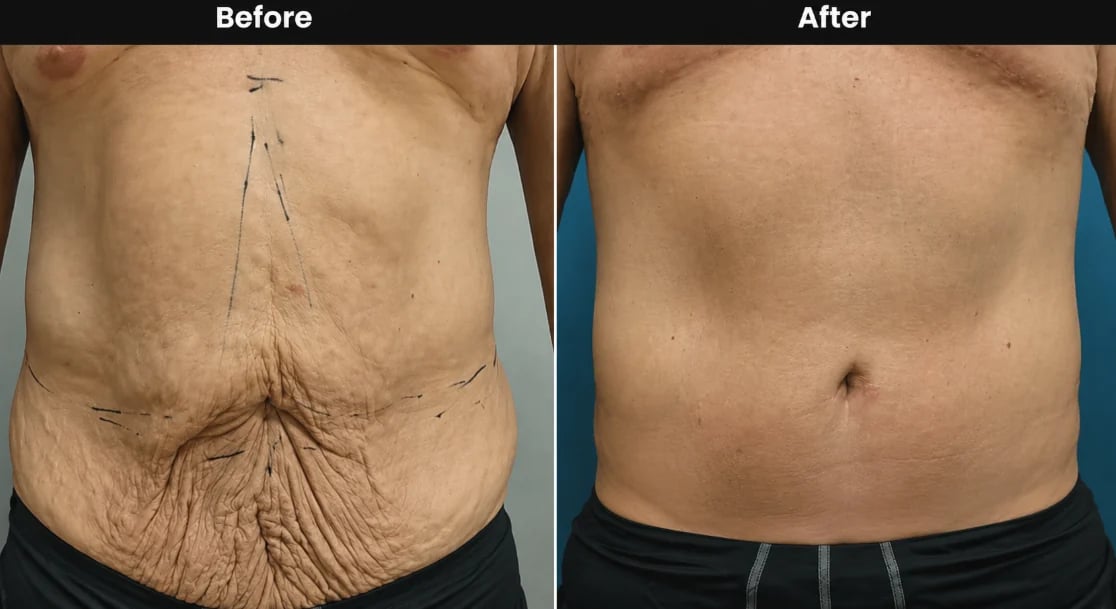
Because body lift procedures remove significant amounts of excess skin, the resulting scars are correspondingly more extensive than scars from more limited body contouring procedures. If seeing before-and-after photographs of actual body lift patients, including the visible scarring involved, gives you serious pause, it is worth sitting with that reaction honestly before proceeding. Dr. Kirwan plans incision placement to be concealed by clothing whenever possible, but meaningful scarring is an unavoidable trade-off for the substantial skin removal these procedures provide, and genuine acceptance of this trade-off is an important part of readiness.
Checklist Item Seven: Can You Take Adequate Time Off for Recovery?
Recovery from a single body lift stage typically requires two to four weeks away from work, with strenuous activity restricted for six to eight weeks. If your job, caregiving responsibilities, or other life circumstances make this kind of time away genuinely difficult right now, it may be worth planning your surgery date around a period when you can more fully commit to proper recovery, rather than rushing back to normal activity before your body has adequately healed.
Checklist Item Eight: Have You Thought Through the Full Financial Picture?
Because a comprehensive body lift often involves multiple separate procedures over an extended period, understanding and budgeting for the full financial scope of this staged process, not just the cost of a single initial surgery, is an important part of genuine readiness. Dr. Kirwan's office provides a clear cost breakdown for each stage during consultation, and having this full picture in mind before beginning the process helps prevent financial strain partway through a multi-stage treatment plan.
Checklist Item Nine: Are You Prioritizing This for Yourself, Not Someone Else?
Patients who pursue body lift surgery primarily to satisfy a partner's opinion, meet an external expectation, or in response to comments from others tend to report less satisfaction with their results than patients whose motivation is rooted in their own personal comfort and confidence. Take a moment to honestly consider whether your interest in this surgery reflects your own genuine desire to address a concern that affects your daily comfort and confidence, rather than pressure from an external source.
Checklist Item Ten: Have You Had a Consultation That Addressed Your Specific Anatomy?
No checklist can substitute for an actual physical evaluation, since the right sequence and combination of body lift procedures depends entirely on your specific pattern of excess skin, which areas bother you most, and your individual anatomy. If you have not yet had a consultation, or if a previous consultation felt rushed or generic rather than tailored specifically to your body, this is worth revisiting before making a final decision.
What Happens If You Check Most, But Not All, of These Boxes
Very few patients arrive at a body lift consultation having perfectly satisfied every single readiness factor discussed above, and that is entirely normal. Some of these factors, like weight stability or nutritional status, are genuinely important prerequisites that should be resolved before surgery. Others, like emotional readiness for scarring or a multi-stage process, are areas where an honest, unhurried conversation with Dr. Kirwan during your consultation can help you work through remaining uncertainty rather than needing to have it fully resolved before you ever walk through the door.
What a Consultation With Dr. Kirwan Actually Looks Like
During your consultation, Dr. Kirwan evaluates your specific areas of excess skin, discusses your weight loss history and current stability, and reviews your overall health profile to identify any factors that might affect surgical timing or planning. He then walks through a realistic, staged surgical plan tailored to your specific anatomy and goals, giving you a clear sense of the recommended sequence of procedures and an honest overall timeline for completing the process.
Given Dr. Kirwan's practice model, you will see him personally at this consultation and at every subsequent appointment throughout your entire treatment journey, whether that journey involves one stage or several, providing consistent continuity of care rather than being evaluated by different staff at different points along the way.
Why an Honest Self-Assessment Matters More Than Excitement Alone
It is easy to feel ready for body lift surgery in a moment of frustration with excess skin, particularly after the hard work of losing significant weight. Genuine readiness, though, involves more than motivation alone, it involves the practical, medical, and emotional factors covered in this checklist. Taking the time to honestly work through each of these considerations, rather than moving forward based on excitement or urgency alone, sets the foundation for a smoother surgical experience and a result you feel confident and satisfied with over the long term.
Combining Honesty With Professional Guidance
The most productive way to use a checklist like this one is not to determine on your own whether you are ready, but to arrive at your consultation with a clearer sense of where you stand on each of these factors, allowing for a more focused, productive conversation with Dr. Kirwan about which areas may need further attention before proceeding and which are already in good shape. This kind of prepared, honest conversation tends to produce a more accurate, individualized surgical plan than a consultation where these considerations are being addressed for the very first time in the room.
Taking the Next Step
If you have lost significant weight and are trying to determine whether body lift surgery is the right next step for you, contact Dr. Kirwan's office in Norwalk to schedule a consultation and get honest, personalized guidance on your specific readiness and options.
A Note on Timing Relative to Life Events
Beyond the medical and financial readiness factors already discussed, practical timing relative to your broader life circumstances deserves honest consideration as well. Major life transitions, a new job, a planned move, caring for a new baby or an aging parent, can all affect how much bandwidth you genuinely have available for a multi-stage surgical process and its associated recovery periods. This does not mean you need a perfectly quiet stretch of life with no other responsibilities, since that rarely exists for anyone, but rather that you should honestly assess whether the timing you are considering allows for adequate rest and recovery without compounding stress from other major simultaneous demands.
How to Tell the Difference Between Impatience and Genuine Readiness
It can be difficult to distinguish between impatience, wanting to finally address excess skin that has bothered you for months or years, and genuine readiness reflecting the medical and practical factors covered throughout this checklist. One useful way to check yourself is to ask whether your eagerness to proceed immediately would change if a knowledgeable surgeon told you that waiting an additional three to six months would meaningfully improve your safety or results. Patients who are genuinely ready tend to feel comfortable with this kind of reasonable delay when it is medically indicated, while patients driven primarily by impatience often resist any suggestion of waiting, even when the reasoning is sound.
What Patients Wish They Had Known Before Starting
Patients further along in their own body lift journey frequently reflect that they wish they had understood the full multi-stage nature of the process more clearly from the outset, rather than discovering it gradually as their treatment unfolded. Many also mention wishing they had asked more detailed questions about recovery time and scarring before their first procedure, rather than feeling caught off guard by aspects of the experience that a more thorough initial conversation would have prepared them for. Learning from this common feedback, taking the time to ask detailed, sometimes uncomfortable questions upfront, tends to produce a smoother overall experience than assuming these details will simply become clear as you go.
Considering a Second Opinion if You Remain Uncertain
If you have worked through this entire checklist and still feel meaningfully uncertain about whether now is the right time, seeking a second consultation, whether with Dr. Kirwan or another qualified surgeon, is a completely reasonable step rather than a sign of indecision. A good surgeon welcomes this kind of careful, thorough decision-making process, recognizing that your comfort and confidence in the decision matters just as much as the technical surgical planning itself.
Checklist Item Eleven: Have You Considered How Body Lift Surgery Fits Into Your Support System?
Recovery from any single body lift stage requires real, practical help at home, whether that means a partner, family member, or friend able to assist with daily tasks, meal preparation, and household responsibilities during the first one to two weeks when mobility is most limited. Before scheduling surgery, honestly assess whether you have this kind of support lined up, or a realistic plan for arranging it, such as hiring temporary help if family support is not available. Patients who arrange this support in advance, rather than assuming they will manage on their own, generally report a smoother, less stressful recovery period.
Checklist Item Twelve: Do You Understand How Results Will Continue to Evolve Over Time?
Immediately after any body lift procedure, swelling will make it difficult to judge your actual result, and many patients feel a temporary sense of disappointment during this early window before recognizing that final results take several months to fully emerge. Understanding this timeline in advance, and resisting the urge to judge your results too early in the process, is part of genuine psychological readiness for this kind of surgery. Patients who expect to see their true final result within the first few weeks are often unnecessarily discouraged during a phase of recovery that is entirely normal and expected.
Checklist Item Thirteen: Have You Researched Your Specific Surgeon Thoroughly?
Body lift surgery, given its technical complexity and the extensive tissue repositioning involved, benefits enormously from a surgeon with specific, substantial experience in this exact category of procedure, distinct from more general cosmetic surgery experience. Before committing to any surgeon, review their specific body lift and post-weight-loss body contouring experience, not just their general practice credentials, and ask to see a substantial gallery of results from patients with a similar starting point to your own weight loss journey.
Understanding Why This Checklist Focuses on Readiness Rather Than Procedure Details
Unlike a general overview of body lift surgery covering the specific stages and techniques involved, this checklist is intentionally focused on the practical, medical, and psychological readiness factors that determine whether now is genuinely the right time for you personally, regardless of which specific combination of procedures you may eventually need. Understanding the technical details of lower body lifts, upper body lifts, and thigh lifts is certainly useful, but knowing whether you meet the underlying readiness criteria discussed throughout this guide is what actually determines whether moving forward now, rather than in another six months or a year, is the right decision for your specific circumstances.
The Value of Revisiting This Checklist Periodically
If you read through this checklist today and recognize that you are not yet ready across several of these factors, that is valuable, actionable information rather than a discouraging conclusion. Many patients benefit from revisiting a checklist like this one every few months as they continue stabilizing their weight, addressing nutritional considerations, or building the practical support system needed for a smooth recovery, using it as an ongoing readiness gauge rather than a single, one-time assessment made at only one point in their journey.
How Dr. Kirwan Approaches Patients Who Are Not Yet Fully Ready
When a prospective patient reaches out or attends a consultation while still working through some of the readiness factors discussed in this checklist, Dr. Kirwan's approach involves honest, direct guidance about what specifically needs to be addressed before surgery can be safely and effectively planned, rather than either turning the patient away entirely or proceeding regardless of unresolved readiness concerns. This might mean recommending a follow-up consultation in three to six months once weight has further stabilized, or connecting a patient with their bariatric team to address a nutritional concern identified during the initial evaluation.
This honest, patient-centered approach reflects a broader commitment to ensuring that when surgery is performed, it is performed at the right time for that specific patient, rather than rushing forward simply because a patient initially expressed eagerness to proceed immediately.
Checklist Item Fourteen: Have You Thought About How You Will Handle the Emotional Adjustment Period?
Beyond the physical recovery, many patients experience a genuine emotional adjustment period following body lift surgery, sometimes including a temporary sense of anticlimax once the anticipated surgery is finally behind them, or frustration during the swelling-heavy early weeks when results are not yet visible. Having realistic expectations about this emotional dimension, and perhaps identifying a friend, family member, or support group of other post-weight-loss surgery patients to talk through this adjustment with, can meaningfully ease this part of the overall experience. Patients who anticipate this emotional component tend to navigate it more smoothly than those who are caught off guard by feelings they did not expect to have after finally achieving a surgery they had long anticipated.
Checklist Item Fifteen: Do You Have a Plan for Maintaining Your Results Long-Term?
Body lift surgery removes excess skin and repositions tissue, but maintaining a stable weight afterward is essential to preserving these results over the years that follow. Before proceeding, consider whether you have a sustainable, realistic long-term plan for maintaining the weight you have worked hard to achieve, whether that involves continued nutritional support, an established exercise routine, or ongoing follow-up with your bariatric team if applicable. Patients with a clear, sustainable maintenance plan already in place tend to preserve their surgical results more successfully over time than those who view reaching a stable weight as the finish line rather than an ongoing commitment.
A Final Word on Trusting Your Own Timeline
Every patient's path to body lift readiness looks different, shaped by their specific weight loss journey, health history, and personal circumstances. Some patients move through this checklist quickly, having already addressed most factors well before their first consultation. Others need more time, working through specific items over months before they are truly ready to proceed. Neither timeline is right or wrong, and comparing your own readiness journey to someone else's, whether a friend, a social media account, or another patient's story, is far less useful than honestly assessing your own specific situation against the factors discussed throughout this guide. Trusting your own pace, while still moving toward genuine, well-considered readiness rather than indefinite delay, is the balance most patients ultimately need to strike.
What to Do if Family or Friends Question Your Decision
Some patients encounter skepticism or unsolicited opinions from family members or friends who question why additional surgery is needed after already losing significant weight, not always understanding that excess skin is a separate, distinct concern that weight loss alone cannot resolve. Preparing for this possibility, and deciding in advance how much you want to explain or defend your decision to others, can reduce unnecessary stress during a process that should ultimately be about your own comfort and confidence rather than managing other people's reactions or understanding of your medical needs.
Recognizing That Readiness Is a Combination of Factors, Not a Single Moment
It can be tempting to look for one clear, singular sign that you are ready for body lift surgery, but genuine readiness is almost always a combination of the multiple factors discussed throughout this checklist working together, rather than any single deciding moment. Weight stability alone does not mean you are ready if your support system at home is not yet in place. Emotional enthusiasm alone does not mean you are ready if your nutritional bloodwork has not been checked. Taking a comprehensive view across all of these factors together, rather than focusing on just one or two, gives you the most accurate overall picture of your genuine readiness for this next step in your journey.
Bringing It All Together Before Your Consultation
Working through this checklist thoughtfully before your first consultation, rather than arriving without having considered these factors at all, allows you and Dr. Kirwan to spend your consultation time on the questions and concerns that matter most for your specific situation, rather than covering foundational readiness ground for the first time in that appointment. This preparation ultimately leads to a more efficient, productive conversation and a surgical plan that genuinely reflects both your physical anatomy and your personal readiness for the journey ahead.
Frequently Asked Questions
How long should my weight be stable before considering a body lift?
Most surgeons recommend at least six months to a year of consistently maintained weight before proceeding with body contouring surgery, since operating on a body still actively losing weight can undermine surgical results.
Do I need to complete every item on this checklist before scheduling a consultation?
No. A consultation is actually a good place to work through remaining uncertainty on several of these factors with Dr. Kirwan directly, though issues like weight stability and nutritional status should generally be resolved beforehand.
Will I definitely need more than one surgery?
Most patients with significant excess skin following major weight loss do need more than one procedure to address different areas of the body, though the specific number of stages depends on your individual anatomy and goals.
What if I'm not sure I'm emotionally ready for the scarring involved?
This is a legitimate and important consideration to sit with honestly. Reviewing real before-and-after photographs and discussing your specific concerns directly with Dr. Kirwan during a consultation can help you make a more informed decision.
Can I have body lift surgery if I plan to have more children?
Generally, no, particularly for abdominal procedures, since a future pregnancy would substantially undo the muscle repair and skin tightening these procedures achieve. Most surgeons recommend waiting until you are finished having children.
How do I know if my nutritional status is adequate for surgery?
This is typically confirmed through bloodwork evaluating protein, iron, and other relevant markers, ideally reviewed with your bariatric surgery team or primary care physician before scheduling body contouring surgery.
What should I bring to my consultation to make it more productive?
Bring an honest sense of where you stand on each item in this checklist, any relevant recent bloodwork if you have had bariatric surgery, and a clear list of which specific areas of your body bother you most, so Dr. Kirwan can tailor his recommendations to your actual priorities.
Call Our Office For More Information
Share this Article

Dr. Laurence Kirwan
Dr. Laurence Kirwan, MD, FRCS, FACS, is an internationally renowned, board-certified plastic surgeon with over 30 years of experience. He trained at Manchester University and completed his Plastic Surgery residency at the University of Missouri. A Fellow of the Royal College of Surgeons and American College of Surgeons, he is a leader in aesthetic surgery, specializing in face, breast, and body procedures. Dr. Kirwan has authored multiple scientific papers and books and served as an instructor in prestigious programs. Recognized by Tatler and Russian Vogue, he practices in Connecticut, where he continues to offer personalized, top-tier care to his patients.