
22
Jul
Considering Rhinoplasty in Connecticut: A Patient Guide to Nose Surgery
The nose sits at the very center of the face, so even a small change to its shape can have a noticeable effect on a person's overall appearance and the balance of their features. It is also a functional structure that governs how a person breathes, filters, and warms the air they take in. For both of these reasons, rhinoplasty is widely regarded as one of the most nuanced and technically demanding procedures in all of plastic surgery. A successful result requires not only surgical skill but also an artistic eye and a thorough understanding of how the nose relates to the rest of the face. At Kirwan Plastic Surgery in Norwalk, Connecticut, board-certified plastic surgeon Dr. Laurence Kirwan approaches rhinoplasty with attention to both how the nose looks and how it works, tailoring each procedure to the individual patient.
This guide walks through everything a prospective patient should understand before considering nose surgery. It explains the difference between cosmetic and functional goals, the various types of rhinoplasty, what to expect during the consultation, the difference between open and closed techniques, the procedure itself, and the recovery arc, which unfolds over a longer period than many people expect. The aim is to give a clear and honest picture so that the decision to move forward, or not, is a well-informed one.
What Is Rhinoplasty?
Rhinoplasty, commonly known as a nose job, is a surgical procedure that reshapes the nose to improve its appearance, its function, or both. It is one of the most frequently performed facial cosmetic procedures, and it is also one of the most individualized, because no two noses are alike and every result must suit the unique face it belongs to. The procedure can address the bridge, the tip, the nostrils, the overall size, and the internal structures that affect breathing.
What makes rhinoplasty distinctive among facial procedures is the interplay between form and function. The nose is not merely a feature to be reshaped; it is a working structure of bone, cartilage, and soft tissue whose architecture determines both how it looks and how well a person breathes. A skilled rhinoplasty surgeon must reshape the visible exterior while preserving or improving the internal function, a balance that requires both precision and judgment. Because the changes are permanent and the nose is so central to the face, choosing an experienced surgeon is especially important for this procedure.
Dr. Kirwan performs rhinoplasty at his AAAASF-accredited surgical facility in Norwalk, bringing to it the experience of a long career in aesthetic plastic surgery. Patients considering the procedure in Connecticut can review the practice's dedicated resource on rhinoplasty and the balance of function and confidence for additional context on his approach.
The Nose as Both a Structure and a Feature
To appreciate what rhinoplasty involves, it helps to understand the nose as the dual entity it is. On the outside, the nose is a defining feature of the face. Its size, the profile of its bridge, the shape and refinement of its tip, and the width of its nostrils all contribute to a person's appearance and to the harmony of their features. A nose that feels too large, too wide, or out of proportion can draw attention away from the eyes and the rest of the face, while a nose that sits in balance allows the whole face to feel more harmonious.
On the inside, the nose is a carefully engineered structure. The nasal septum divides the two nasal passages, and its position affects airflow. The turbinates, the internal structures that warm and humidify air, can become enlarged and obstruct breathing. The framework of bone and cartilage provides support, and if it is weak or misshapen, whether from birth or from a prior injury, it can both distort the appearance and impede breathing. This is why rhinoplasty so often addresses form and function together. Reshaping the exterior without regard to the interior can compromise breathing, while correcting the interior offers an opportunity to refine the exterior at the same time. Dr. Kirwan considers both dimensions in every case.
Cosmetic Goals of Rhinoplasty
Many patients seek rhinoplasty primarily to change the appearance of the nose, and the range of cosmetic goals is broad. One of the most common requests is the removal or reduction of a bump or hump on the bridge, which can create a smoother, straighter profile. Others wish to refine the tip of the nose, which may be too bulbous, too wide, too drooping, or too upturned. Reshaping the tip is among the most delicate aspects of rhinoplasty, since small changes in this area have an outsized effect on the overall look.
Patients may also seek to adjust the width of the nostrils, narrow an overly wide nose, correct asymmetry, or bring a nose that feels too large or too small into better proportion with the rest of the face. Some patients wish to address a nose that appears crooked or deviated, whether from natural development or from a previous injury. In each case, the guiding principle is balance. The goal of cosmetic rhinoplasty is not to impose a single ideal shape but to create a nose that looks natural and suits the individual's features, so that the result enhances the face without appearing done. Dr. Kirwan emphasizes this natural, individualized approach, since a nose that harmonizes with the face is far more successful than one that follows a generic template.
Functional Goals: Breathing and Structure
For a great many patients, rhinoplasty is about more than appearance. Difficulty breathing through the nose is a common and often frustrating problem, and it frequently has a structural cause that surgery can correct. A deviated septum, in which the wall between the two nasal passages is off-center, is one of the most common culprits, narrowing one or both passages and making it harder to breathe. Enlarged turbinates, collapsed nasal valves, and structural weakness from a prior injury can all contribute as well.
When breathing is the concern, the surgery may involve correction of the septum, a procedure known as septoplasty, often combined with reshaping in what is called functional rhinoplasty or septorhinoplasty. By straightening the septum, reducing obstruction, and reinforcing weak structures, the surgeon can improve airflow and make breathing easier, particularly during sleep and exercise. Many patients who have struggled with nasal breathing for years find significant relief after functional correction.
A great advantage of addressing function surgically is that it often creates the opportunity to refine appearance at the same time. A patient who needs their septum corrected for breathing may also wish to smooth their bridge or refine their tip, and both can frequently be accomplished in a single operation. This is why so many rhinoplasty procedures pursue both objectives together, improving the appearance of the nose while also correcting an airway that has never worked well. Dr. Kirwan evaluates both the aesthetic and the functional aspects during the consultation so that the surgical plan addresses the patient's full set of concerns.
Types of Rhinoplasty
Rhinoplasty is not a single procedure but a family of related operations, each suited to different needs. A primary rhinoplasty is a first-time nose surgery, performed on a nose that has not been operated on before. This is the most common type and allows the surgeon to work with the original, untouched anatomy.
A revision rhinoplasty, by contrast, is performed on a nose that has already had previous surgery. Revision procedures are generally more complex, because the surgeon must work with altered anatomy and scar tissue from the earlier operation, and they call for particular experience and care. Functional rhinoplasty, discussed above, focuses on correcting breathing problems and often includes septoplasty. Cosmetic rhinoplasty focuses on appearance, though the two are frequently combined.
Rhinoplasty is also tailored to the individual's features and background. Different patients have different nasal structures and different aesthetic goals, and a thoughtful surgeon reshapes the nose in a way that respects and complements the patient's overall facial character rather than erasing it. Dr. Kirwan also performs rhinoplasty for men, where the goals and techniques differ in important ways from those for women, a topic addressed in more detail below. Whatever the type, the common thread is a customized plan built around the specific nose and the specific person.
Who Is a Good Candidate for Rhinoplasty?
A good rhinoplasty candidate is someone in good general health who is bothered by the appearance or function of their nose and holds realistic expectations about what surgery can achieve. Because the nose continues to develop through adolescence, surgeons generally recommend waiting until facial growth is largely complete before undergoing cosmetic rhinoplasty, which typically means the mid to late teens at the earliest, and often adulthood. Functional surgery to correct breathing may sometimes be considered earlier when medically warranted.
Physical health matters because rhinoplasty is real surgery. Good candidates are non-smokers or are willing to stop smoking well before and after the procedure, since smoking impairs healing, and they are free of medical conditions that would make surgery or recovery unsafe. Beyond physical health, emotional readiness and realistic expectations are just as important. The best candidates understand that the goal is improvement and balance rather than perfection, and that the nose should suit their own face rather than mimic someone else's. A patient who wants a natural refinement that harmonizes with their features is far more likely to be satisfied than one seeking an idealized shape that would look out of place.
Patients with breathing difficulties who also wish to improve the appearance of their nose are often excellent candidates, since a single procedure can address both concerns. Those considering revision surgery to correct a previous rhinoplasty can also be candidates, though these cases are more complex and call for particular experience. Ultimately, candidacy is best determined in person. During the consultation, Dr. Kirwan evaluates the patient's nasal anatomy, breathing, health, and goals to determine whether rhinoplasty is appropriate and what it can realistically accomplish, always with an honest assessment rather than a promise. As with any procedure, the practice's disclaimer applies: results vary from one individual to another.
What to Expect in Your Consultation
The consultation is the foundation of a successful rhinoplasty, and given how individual the nose is, it carries particular weight for this procedure. During the visit, Dr. Kirwan reviews the patient's medical history, asks about breathing as well as appearance, and examines both the external shape of the nose and its internal structure. This dual examination is essential, since a plan that looks good on the surface must also preserve or improve function underneath.
This is the time for the patient to describe clearly what bothers them and what they hope to change, because the surgical plan is built directly around those goals. Dr. Kirwan explains what is realistically achievable for a given nose and facial structure, since every nose has anatomical characteristics that shape what is possible. He discusses the incision approach, reviews anesthesia options, and explains what the recovery will involve. Honest, detailed communication at this stage is what allows the eventual result to match the patient's expectations.
In keeping with his overall practice philosophy, Dr. Kirwan makes a point of reviewing the surgical plan thoroughly before proceeding, so that the patient has a clear understanding well ahead of the day of surgery. This unhurried, communicative approach is a hallmark of the practice, where patients are encouraged to ask questions and are never rushed. Those ready to begin the process can request a consultation directly with the practice, and patients who wish to learn more about Dr. Kirwan's background can read about him on the meet the surgeon page.
Open vs Closed Rhinoplasty
Rhinoplasty is performed using one of two general approaches, and understanding the difference helps patients appreciate what their surgery may involve. In a closed rhinoplasty, all of the incisions are made inside the nostrils, leaving no visible external scar. The surgeon works through these internal incisions to reshape the underlying structure. This approach can be excellent for cases that do not require extensive reshaping of the tip, and it avoids any external incision entirely.
In an open rhinoplasty, the surgeon makes a small additional incision across the columella, the narrow strip of tissue that separates the two nostrils at the base of the nose. This gives the surgeon fuller access to the underlying framework of bone and cartilage, allowing more precise reshaping, particularly of the tip and in complex cases. The columellar incision is small and, once healed, generally becomes very difficult to notice.
Neither approach is universally superior; the right choice depends on the complexity of the work required and the specifics of the patient's anatomy and goals. For straightforward changes, a closed approach may be ideal, while more extensive reshaping or revision cases often benefit from the access an open approach provides. Dr. Kirwan selects the technique that best fits the individual plan, weighing the extent of reshaping needed against the desire to minimize any external incision. This decision is discussed during the consultation so that the patient understands the reasoning behind the chosen approach.
The Rhinoplasty Procedure Step by Step
Understanding what happens during surgery can ease much of the anxiety that surrounds it. While every rhinoplasty is customized, the general sequence is consistent. After anesthesia is administered so that the patient is entirely comfortable, Dr. Kirwan makes the planned incisions, either inside the nostrils for a closed approach or with the small additional columellar incision for an open approach.
Through these incisions, the skin covering the nose is gently lifted to expose the underlying framework of bone and cartilage. Dr. Kirwan then reshapes this framework according to the plan. This may involve reducing a bump on the bridge, refining or reshaping the cartilage of the tip, narrowing the bone, or repositioning structures to improve symmetry. Cartilage may be reduced where there is excess, or added as a graft where more support or definition is needed; grafts are often taken from the patient's own septum. If breathing is being addressed, the septum is straightened and any obstruction is reduced during the same operation.
Once the reshaping is complete, the skin is redraped over the new framework and the incisions are closed. A splint is usually placed on the outside of the nose to protect and support the new shape while it begins to heal, and internal support may be used as well. The procedure typically takes a few hours, depending on its complexity and whether functional correction is included. Because Dr. Kirwan operates in his AAAASF-accredited facility, patients receive the benefit of a fully accredited surgical setting, and they are given detailed instructions for the recovery ahead.
Anesthesia
Rhinoplasty is performed under anesthesia that keeps the patient comfortable throughout the procedure. The specific type is determined based on the extent of the surgery and the patient's individual circumstances, and it is discussed during the consultation. Anesthesia is administered and monitored by qualified personnel, and each patient is evaluated beforehand to confirm they are a safe candidate for the planned approach.
Dr. Kirwan reviews the patient's medical history, current medications, and any underlying conditions during the consultation to plan for the safest possible experience. The practice's emphasis on thorough evaluation and careful, individualized planning extends to every aspect of the procedure, including anesthesia, reflecting the priority placed on patient safety and comfort.
The Rhinoplasty Recovery Arc
Rhinoplasty recovery unfolds in stages over a longer period than many people anticipate, and setting realistic expectations here is essential. While the early recovery is relatively quick, the nose continues to refine for many months, and the truly final result takes time to emerge. Understanding this arc helps patients remain patient and confident throughout the healing process.
The First Week
In the first week, a splint is usually worn on the outside of the nose to protect and support the new shape. Swelling and bruising around the eyes are common during this period and are a normal part of the process. Patients are advised to rest with the head elevated and to avoid activities that could disturb the healing nose. Most patients have the splint removed at about one week, which is often a reassuring milestone, as this is when the nose first begins to reveal its new shape. Many patients feel ready to return to non-strenuous work and daily routines around this time.
Weeks Two to Four
Over the following weeks, the more obvious swelling and bruising subside, and the nose begins to look progressively more like its final self. Patients typically feel much more comfortable and presentable during this window. Strenuous exercise and any activity that risks contact with the nose are reintroduced gradually and only as Dr. Kirwan advises, since the healing structures need to be protected. Patients are usually able to resume most normal activities during this phase while continuing to avoid high-impact exertion.
The Following Months
The finer refinement of a rhinoplasty result takes considerably longer. Subtle swelling, particularly in the tip of the nose, can take many months to fully resolve, and it does so gradually and often imperceptibly from day to day. The truly final result of a rhinoplasty often becomes apparent up to a year or more after surgery, once all of the swelling has settled and the tissues have completely healed. Patience during this period is rewarded, and following the aftercare guidance closely supports the best possible outcome. For patients recovering during the warmer months, the practice offers specific rhinoplasty summer recovery tips to help protect the healing nose.
Rhinoplasty for Men
Rhinoplasty is increasingly popular among men, and it deserves particular attention because the goals and techniques differ in meaningful ways from those for women. When reshaping a man's nose, the objective is usually to refine and improve while preserving a strong, masculine character. This often means maintaining a straighter bridge and avoiding the more scooped or upturned profile that might suit a woman's face but would look out of place on a man's.
The most common concerns among male patients include reducing a prominent bump on the bridge, straightening a nose that is crooked or has been broken, and refining a tip while keeping it in proportion with a stronger facial structure. Functional concerns are also common, and many men seek rhinoplasty to correct breathing problems as well as to improve appearance. Dr. Kirwan performs rhinoplasty for men with careful attention to preserving masculine proportions, ensuring that the result looks natural and appropriate for the individual. The principle of balance applies equally here: the goal is a nose that fits the face and enhances it without appearing altered.
Combining Rhinoplasty with Chin Augmentation for Facial Balance
An important concept in facial aesthetics is that the features of the face relate to one another, and the nose in particular is perceived in relation to the chin. A nose can appear larger than it truly is when the chin is weak or recessed, because the two features are viewed together in profile. For this reason, some patients considering rhinoplasty find that their profile is best balanced by addressing the chin as well.
Chin augmentation, which strengthens a recessed chin, can complement rhinoplasty by bringing the profile into better proportion. When the chin is brought forward into balance, the nose can appear more proportionate, and the overall profile becomes more harmonious. Dr. Kirwan may discuss this relationship during the consultation when it is relevant to a patient's goals, since considering the face as a whole rather than a single feature often produces the most natural and satisfying result. This is not necessary or appropriate for every patient, but for some it can meaningfully enhance the outcome of nose surgery. Other facial procedures such as a facelift or eyelid surgery address different concerns and are considered separately based on the individual's goals.
Results and Patience: The One-Year Timeline
Perhaps the most important thing for a rhinoplasty patient to understand is that the result develops slowly. Unlike some procedures where the outcome is apparent within weeks, rhinoplasty asks for patience. The nose looks dramatically better once the splint is removed and the initial swelling subsides, and it continues to improve over the following weeks, but the subtle refinement of the final shape takes months to complete.
This is because swelling in the nose, and especially in the tip, resolves very gradually. The skin and soft tissue need time to settle over the new framework, and this process is measured in months rather than weeks. Most surgeons consider the final result of a rhinoplasty to be visible around a year after surgery, and in some cases even a bit longer for the last traces of tip swelling to resolve. Patients who understand this timeline in advance are far more comfortable during the healing process, because they know that the gradual changes they are seeing are exactly what should be happening. The reward for this patience is a refined, natural result that reflects the full benefit of the surgery.
Safety and Choosing Your Surgeon
Because rhinoplasty is so technically demanding and the nose is so central to the face, the choice of surgeon carries particular weight for this procedure. A rhinoplasty result depends heavily on the surgeon's skill, experience, and aesthetic judgment, and revision surgery to correct a poor initial result is more difficult than the original operation. Choosing a well-qualified, experienced surgeon from the outset is therefore one of the most important decisions a patient makes.
Dr. Kirwan brings substantial credentials and experience to this work. He is certified by the American Board of Plastic Surgery, the only plastic surgery board recognized by the American Board of Medical Specialties, and he is a Fellow of the Royal College of Surgeons. Over a long career practicing in both London and Connecticut, he has performed a large number of aesthetic procedures and has become a sought-after surgeon in the region. He performs rhinoplasty in his own AAAASF-accredited surgical facility, adding a further layer of safety and control. As with any surgery, patients are evaluated carefully beforehand and given thorough instructions to support a safe recovery. This combination of credentials, experience, and an accredited setting is part of why patients across Connecticut and the surrounding area seek him out for nose surgery.
Cost and Financing
The cost of rhinoplasty varies depending on the complexity of the procedure, whether functional correction is included, and the specifics of the individual plan. Because every rhinoplasty is customized to the patient's anatomy and goals, the most accurate cost information comes from a personal consultation, where the details of the planned procedure can be discussed.
The practice offers financing options to help make treatment more accessible through manageable monthly payments, and the team reviews these options during the consultation so that the cost is transparent. Patients are encouraged to ask questions about pricing and financing openly, consistent with the practice's approach of clear, thorough communication. It is worth noting that when rhinoplasty includes functional correction of a breathing problem, some portion of the procedure may be handled differently from a purely cosmetic procedure, a matter that can be discussed during the consultation.
Preparing for Rhinoplasty
Good preparation supports a smooth surgery and recovery. In the period leading up to the procedure, patients are typically advised to stop smoking well beforehand and to remain smoke-free during healing, because nicotine impairs circulation and can compromise the delicate healing of the nose. Dr. Kirwan provides guidance on pausing certain medications and supplements that can increase bleeding or bruising, and a pre-operative evaluation confirms that the patient is a suitable candidate.
Patients are advised to arrange for someone to drive them home after surgery and to help them during the first day or two. Preparing a comfortable recovery space where the head can be kept elevated, stocking soft foods, and having supplies on hand all make the early recovery easier. Because bruising and swelling around the eyes are expected in the first week, patients often plan to take some time away from work and social commitments during this initial period. Patients who prepare well and follow their aftercare instructions closely tend to have the most comfortable recoveries, and the team reviews all of these steps in advance so that every patient feels ready and informed.
Frequently Asked Questions
Will rhinoplasty change how I breathe?
It can. When breathing problems are part of the picture, functional correction of the septum or nasal passages is performed during the same surgery, which can improve airflow. A purely cosmetic rhinoplasty focuses on appearance, but the two are frequently combined.
What is the difference between open and closed rhinoplasty?
In a closed rhinoplasty, incisions are hidden entirely inside the nostrils. In an open rhinoplasty, a small incision across the columella gives fuller access to the nasal framework. The right approach depends on the complexity of the reshaping needed.
How long does rhinoplasty recovery take?
The splint typically comes off at about one week, and many patients return to non-strenuous routines around that time. Visible swelling improves over several weeks, while subtle tip swelling can take months. The final result often appears up to a year or more after surgery.
Will there be a visible scar?
With a closed rhinoplasty, incisions are inside the nose and leave no external scar. With an open approach, the small columellar incision is well concealed and generally heals to become difficult to notice.
Is rhinoplasty available for men?
Yes. Dr. Kirwan performs rhinoplasty for men, with attention to preserving masculine proportions while refining the nose and addressing any functional concerns.
When can I see the final result of my rhinoplasty?
The nose looks much improved once the splint is removed and early swelling subsides, but the final refined result develops gradually. Subtle swelling, especially in the tip, can take months to resolve, and the final result often appears around a year or more after surgery.
Can rhinoplasty be combined with other procedures?
Yes. Rhinoplasty is sometimes combined with chin augmentation to balance the profile, since the nose and chin are perceived together. Dr. Kirwan discusses whether combining procedures is appropriate for a patient's goals during the consultation.
Is rhinoplasty painful?
Most patients report that rhinoplasty involves more discomfort from congestion and pressure than sharp pain, and this is typically well managed. Bruising and swelling around the eyes are common in the first week and resolve over the following weeks.
Schedule a Rhinoplasty Consultation in Norwalk
Rhinoplasty rewards careful planning and an experienced hand, since the goal is a nose that looks natural, fits the face, and breathes well. Dr. Kirwan takes the time to understand each patient's concerns, examine both the appearance and the structure of the nose, and design a plan tailored to the individual. Patients considering nose surgery in Connecticut can schedule a consultation or contact the practice to discuss their goals and learn what is possible for their individual anatomy.
Call Our Office For More Information
Share this Article
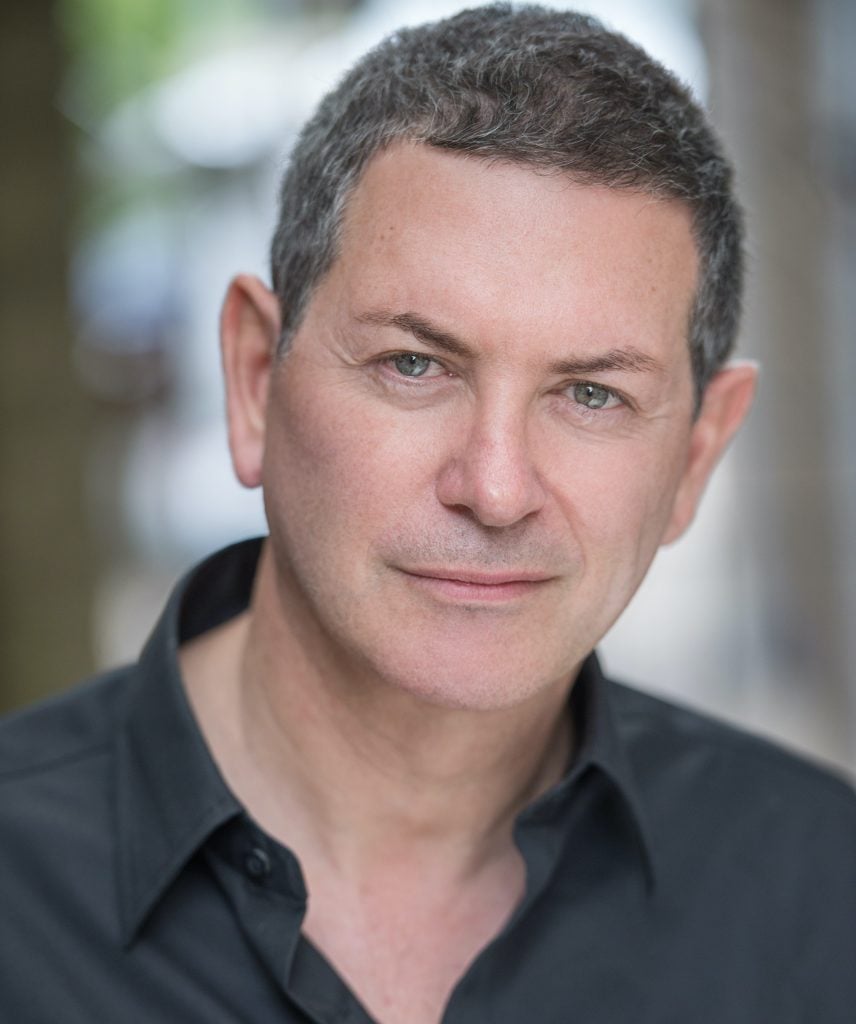
Dr. Laurence Kirwan
Dr. Laurence Kirwan, MD, FRCS, FACS, is an internationally renowned, board-certified plastic surgeon with over 30 years of experience. He trained at Manchester University and completed his Plastic Surgery residency at the University of Missouri. A Fellow of the Royal College of Surgeons and American College of Surgeons, he is a leader in aesthetic surgery, specializing in face, breast, and body procedures. Dr. Kirwan has authored multiple scientific papers and books and served as an instructor in prestigious programs. Recognized by Tatler and Russian Vogue, he practices in Connecticut, where he continues to offer personalized, top-tier care to his patients.