

21
May
Rhinoplasty in Connecticut: How Dr. Kirwan Reshapes the Nose for Balance, Function, and Confidence
The nose sits at the center of the face, so even a small change can influence the way the eyes, lips, chin, and jawline appear together. Rhinoplasty can help refine nasal shape, improve proportion, correct structural concerns, and support a more confident facial profile.
For patients considering nose enhancement, rhinoplasty is not just about making the nose smaller. It is about creating balance, improving function when needed, and designing a result that belongs naturally to the face.
Continue reading to learn how an expert-based approach can make all the difference.
What Is Rhinoplasty?
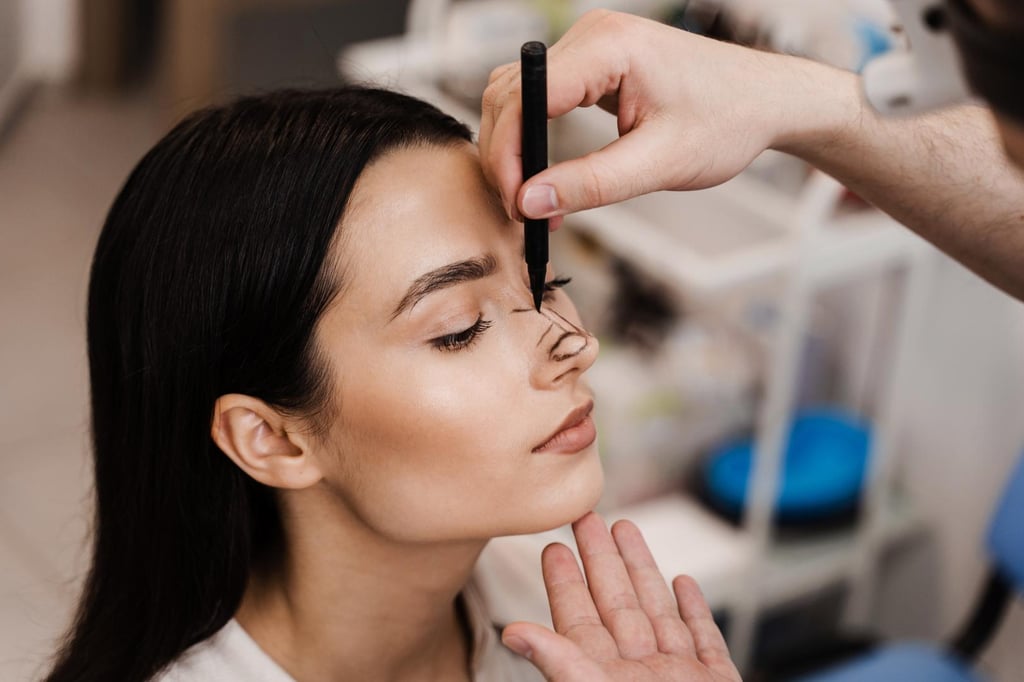
Rhinoplasty is a surgical nose reshaping procedure designed to improve the appearance, structure, or function of the nose. It may be performed for cosmetic reasons, breathing concerns, injury-related changes, congenital concerns, or a combination of goals.
Some patients need cosmetic nose surgery alone. Others may benefit from functional rhinoplasty or septorhinoplasty when internal nasal surgery is needed to improve breathing or correct structural issues. In more complex cases, nasal reconstruction surgery may be discussed.
According to the reference, rhinoplasty may be performed under general anesthesia, while limited nasal tip surgery may sometimes be performed under local anesthesia with conscious sedation. The exact approach depends on the patient’s anatomy, goals, and surgical plan.
How Dr. Kirwan Approaches Rhinoplasty
Rhinoplasty requires precision, restraint, and a deep understanding of facial proportion. Dr. Kirwan’s approach focuses on reshaping the nose in a way that supports balance, function, and confidence rather than creating a one-size-fits-all result.
1. He Starts With Facial Balance
A beautiful rhinoplasty result begins before surgery, during the evaluation. The nose cannot be judged alone because it affects the entire face. A bridge that looks prominent from one angle may be related to chin projection. A nasal tip may look too heavy because of surrounding facial proportions.
Dr. Kirwan considers facial harmony and balance when planning rhinoplasty surgery. The goal is not to create a nose that looks good by itself, but one that looks natural with the patient’s eyes, cheeks, lips, chin, and profile.
This is why expert planning matters. The most elegant nose reshaping procedure should make the whole face look more balanced, not make the nose look “operated on.”
2. He Customizes the Surgical Technique
No two noses are exactly alike. Some patients need refinement of the nasal tip. Others need bridge reduction, narrowing, nostril adjustment, or correction of crooked structures. Some patients also need internal nasal surgery to address breathing.
According to the reference, procedure options may include rhinoplasty alone, rhinoplasty combined with internal nasal surgery, or rhinoplasty combined with other facial surgery. This level of customization helps the treatment match the patient’s actual needs.
A strong surgical plan avoids shortcuts. It asks what needs to change, what should be preserved, and how each adjustment will affect the final result.
3. He Refines the Nasal Tip
The nasal tip plays a major role in how refined or balanced the nose appears. A tip that is too wide, drooping, bulbous, or underdefined can affect the entire face.
In rhinoplasty alone, the reference notes that tip cartilages may be made smaller and the nasal tip may be elevated. These changes can help create a lighter, more defined appearance when appropriate.
Tip refinement requires restraint. Too much change can look artificial, while too little may not satisfy the patient’s goals. The art is in shaping the tip so it looks naturally supported and proportionate.
4. He Addresses the Bridge
The nasal bridge often influences the profile. A high bridge, bump, or prominent nasal bones can make the nose appear larger or more dominant.
Rhinoplasty may involve lowering the nasal bones and cartilages of the bridge to create a smoother, more balanced line. In some cases, the nasal bones may also be narrowed to refine the width of the nose.
These adjustments can dramatically improve profile harmony while still keeping the face recognizable. The goal is refinement, not erasure.
5. He Considers Nostril Shape
Nostril width and shape can affect the overall appearance of the nose, especially from the front view. In some cases, nostrils may be narrowed with incisions placed in the nostril crease.
This detail may seem small, but it can influence how balanced the nose looks with the rest of the face. A well-planned nostril adjustment can help create a more refined result without drawing attention to the surgical change.
The best rhinoplasty details are often the ones patients cannot specifically identify. They simply make the nose look more harmonious.
6. He Treats Breathing Concerns When Needed
Rhinoplasty is not always purely cosmetic. Some patients have a crooked nose, internal nasal obstruction, or breathing issues that should be addressed during surgery.
Functional rhinoplasty or septorhinoplasty may be recommended when the goal includes improving airflow and nasal structure. According to the reference, rhinoplasty combined with internal nasal surgery may be ideal for patients with a crooked nose and/or breathing problems.
This approach allows the surgery to address both appearance and function. A smaller or straighter nose is meaningful, but breathing comfortably matters too.
7. He May Use an Open Approach for Complex Cases
Some rhinoplasty cases require greater visibility and access to the nasal structures. The reference notes that an open rhinoplasty approach may be used when rhinoplasty is combined with internal nasal surgery.
An open approach can allow the surgeon to see and adjust the cartilage and bone more directly. This may be especially useful when treating crooked noses, structural concerns, revision issues, or more complex reshaping needs.
The approach is chosen based on the case. Good rhinoplasty is not about using one method every time. It is about choosing the right method for the patient.
8. He Plans for Function and Aesthetics Together
A nose can look beautiful, but still fail the patient if breathing is compromised. Likewise, a functional improvement should still respect the patient’s appearance and aesthetic goals.
Dr. Kirwan’s planning considers both. When internal nasal surgery is needed, it may be combined with cosmetic refinement so the nose functions better and looks more balanced.
This is especially important in septorhinoplasty, where structural correction and appearance are closely connected. The inside and outside of the nose have to work together.
9. He Considers Other Facial Procedures When Helpful
Sometimes the nose is not the only feature affecting facial balance. The reference notes that rhinoplasty may be combined with other facial surgery, such as chin implant surgery or buccal fat pad excision, for patients who may benefit from additional contouring.
This does not mean every patient needs another procedure. It means facial balance should be evaluated honestly. A stronger chin, for example, can make the nose look more proportionate from the side. When appropriate, combining procedures can create a more complete and natural-looking result.

10. He Uses Consultation to Build Clarity
Rhinoplasty is one of the most detail-sensitive cosmetic procedures, so consultation matters. Patients need to understand what can be changed, what should remain, and what type of outcome is realistic.
During consultation, the surgical plan is discussed based on anatomy, goals, and potential procedure options. This helps patients feel informed before moving forward.
A clear consultation can also reduce anxiety. Patients should not feel like they are guessing what will happen to their face. They should understand the plan.
11. He Tailors Anesthesia to the Procedure
The reference explains that rhinoplasty is normally performed under general anesthesia, while limited surgery on the nasal tip may be performed under local anesthesia with conscious sedation. This reflects a customized approach to surgical planning.
The anesthesia choice depends on the extent of the surgery, patient safety, comfort, and the specific technique being performed.
This is another reason expert evaluation matters. The surgical experience should match the needs of the procedure and the patient.
12. He Creates Realistic Surgical Timelines
The length of rhinoplasty surgery depends on the complexity. According to the reference, rhinoplasty alone may take around one to two hours, while rhinoplasty combined with internal nasal surgery or other facial surgery may take longer.
Patients should understand that more complex surgery requires more planning and time. A crooked nose, breathing correction, or combined facial procedure may not be as simple as basic nasal refinement. Rhinoplasty is not a race. Precision matters more than speed.
Balanced, Functional, Confident
Rhinoplasty can help refine nasal shape, improve facial harmony, address breathing concerns, and support a more confident profile. Whether patients need cosmetic nose surgery, functional rhinoplasty, septorhinoplasty, nasal reconstruction surgery, or a carefully customized nose reshaping procedure, the best results come from expert planning and precise technique.
Kirwan Plastic Surgery in Norwalk, CT, offers rhinoplasty for patients seeking facial harmony and balance through a thoughtful surgical approach. With the right plan, rhinoplasty can enhance the nose, support function, and help patients feel more confident in the face they share with the world.
Contact us today to schedule your consultation!
Call Our Office For More Information
Share this Article
Dr. Laurence Kirwan
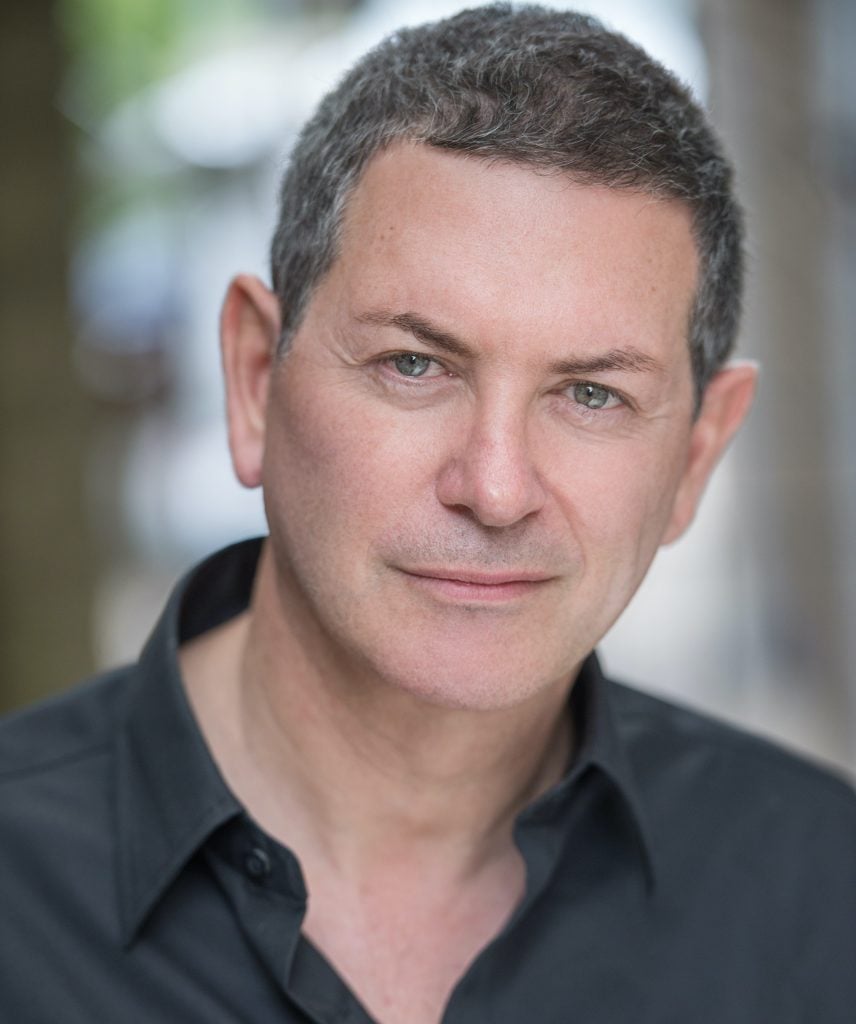
Dr. Laurence Kirwan, MD, FRCS, FACS, is an internationally renowned, board-certified plastic surgeon with over 30 years of experience. He trained at Manchester University and completed his Plastic Surgery residency at the University of Missouri. A Fellow of the Royal College of Surgeons and American College of Surgeons, he is a leader in aesthetic surgery, specializing in face, breast, and body procedures. Dr. Kirwan has authored multiple scientific papers and books and served as an instructor in prestigious programs. Recognized by Tatler and Russian Vogue, he practices in Connecticut, where he continues to offer personalized, top-tier care to his patients.